Despite a surge of AI drug discovery deals and funding rounds collectively worth tens of billions of dollars in 2026, no drug discovered primarily through artificial intelligence methods has yet received full approval from the U.S. Food and Drug Administration, according to industry tracking. The gap between dealmaking momentum and regulatory outcomes is becoming an increasingly pointed question for an industry that has attracted enormous capital on the promise of faster, cheaper drug development.
Why the Approval Gap Exists
Drug development timelines remain largely unchanged by AI’s involvement at the discovery stage, since AI-identified candidates still must pass through the same multi-year, multi-phase clinical trial process required of any drug — meaning even a candidate discovered with the help of AI in 2021 or 2022 would typically only be reaching late-stage trials and potential approval now, several years later, regardless of how much time AI saved at the discovery phase.
The Clearest Proof Points So Far
The closest the industry has come to validating AI drug discovery clinically is Insilico Medicine’s rentosertib, an AI-discovered treatment for idiopathic pulmonary fibrosis that has shown promising Phase IIa results, including reductions in biological age across multiple proteomic aging clocks — encouraging data, but still short of the large-scale Phase III trials and regulatory review required for full approval.
Why Investors Keep Betting Anyway
Despite the absence of a completed success story, pharmaceutical companies and investors continue signing massive deals — AstraZeneca’s $1.5 billion partnership with Insitro and comparable agreements from Takeda, Johnson & Johnson and Pfizer — reflecting a belief that AI’s value proposition lies primarily in improving the odds and speed of early discovery, a benefit that could justify the investment even before any single approval validates the broader thesis.
The Industry’s Own Internal Debate
Drug discovery analysts note that 2026 has brought a shift in focus toward agentic AI systems that coordinate multiple research tasks and ultralarge virtual screening methods capable of evaluating billions of candidate molecules computationally, suggesting the technology itself continues evolving even as the clinical and regulatory proof points lag behind.
Skeptics Warn of a Widening Expectations Gap
Some biotech investors and scientists who experienced earlier cycles of computational drug discovery hype caution that the industry risks a credibility problem if the current wave of AI drug discovery deals doesn’t produce an approved drug within the next few years, given how much capital has already been committed on the promise of faster timelines. Defenders of the current investment wave argue that drug development is inherently a long-horizon business, and that judging AI drug discovery’s success prematurely misunderstands the multi-year clinical trial timelines involved regardless of how a candidate was discovered.
What’s Next
Watch for rentosertib and other AI-discovered candidates currently in Phase II or III trials to report further results over the coming one to two years, which will provide the industry’s first real tests of whether AI drug discovery’s early promise translates into actual regulatory approvals. The outcome will significantly influence whether the current pace of billion-dollar AI drug discovery deals continues or cools.
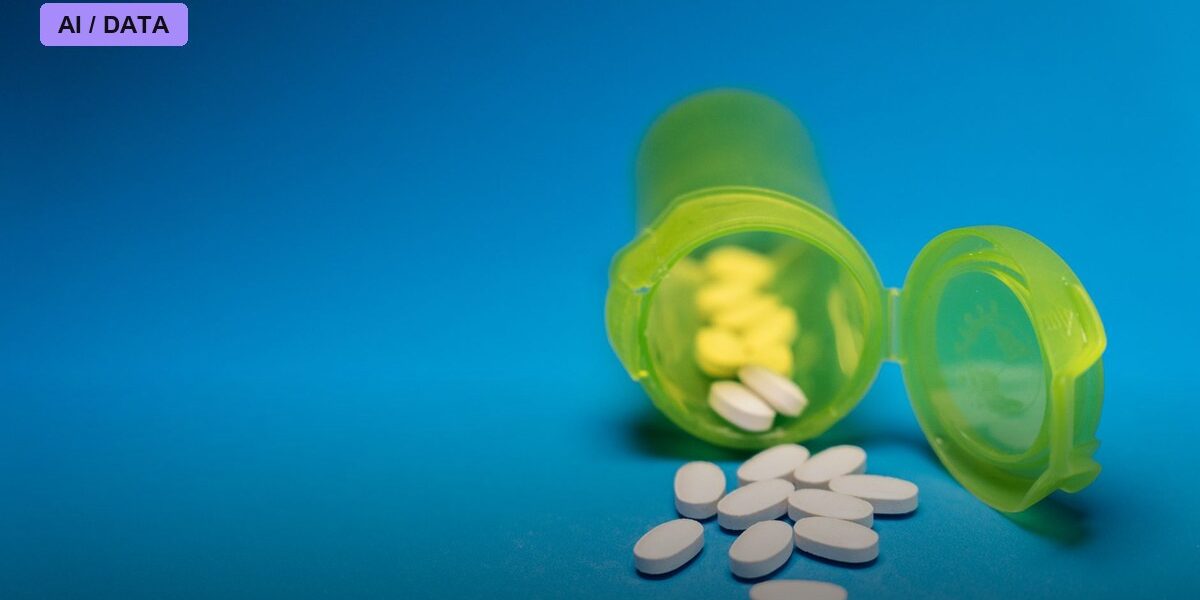
Photo: Sadi Hockmuller / PEXELS via Pexels