Anthropic announced on October 27, 2026 that it had acquired Mithril Medicine, a biotech startup with exactly one full-time employee, marking the AI company’s move from selling language-model tools to pharma into actually running its own drug discovery programs using Claude. The same announcement disclosed six separate collaborations with pharmaceutical and biotech partners, signaling that Anthropic now intends to compete directly with OpenAI and the wave of AI-native drug discovery startups for a share of pharma’s growing AI budgets.
A company built around one founder
Mithril Medicine was founded by Cody Tranbarger, who built the company’s drug programs largely by directing Claude through the computational work of identifying and designing treatment candidates for rare, genetic forms of muscular dystrophy. Reports on the deal describe Mithril’s lead approach as centered on bispecific antibodies, molecules engineered to bind two separate targets in the body simultaneously, a design strategy increasingly common in modern biologic drug development. Tranbarger has joined Anthropic directly, and the company says Mithril’s existing programs will continue with considerably more computational and financial resources behind them.
Still early, but a real timeline attached
Anthropic was careful to frame Mithril’s progress as preclinical, meaning no candidate has yet been tested in humans or even reached formal investigational trial applications. The company said a drug from the Mithril pipeline could be ready to enter human clinical trials as soon as late 2028, assuming current candidates continue to hold up under further testing — a multi-year runway that underscores how far generative AI drug design still sits from any actual regulatory payoff, even for a company Anthropic is now backing directly.
Six pharma partnerships disclosed at once
Beyond the acquisition, Anthropic used the same announcement to detail six separate collaborations: Bristol Myers Squibb, Generate Biomedicines, BigHat Biosciences, Divergence Labs, Enveda and The Column Group. Disclosing six partnerships simultaneously is an unusually large batch for a single announcement, and it suggests Anthropic has spent much of 2026 quietly building out relationships across both large pharma and smaller AI-native biotechs rather than entering the space with a single flagship deal.
Anthropic’s second life-sciences acquisition this year
The Mithril purchase follows Anthropic’s acquisition of Coefficient Bio earlier in 2026, reported at roughly $400 million, making Mithril the company’s second life-sciences buy in a single year. Taken together, the two deals mark a deliberate pattern: rather than simply licensing Claude to drug companies as a tool, Anthropic appears to be assembling its own in-house capability to run biotech programs end to end, directly exposing itself to the clinical and regulatory risk that licensing deals would otherwise let it avoid.
The competitive read against OpenAI
The move places Anthropic in more direct competition with OpenAI, which has built its own life-sciences push around a suite called Rosalind and has signed customers including Moderna and Novo Nordisk. Where OpenAI has largely pursued an infrastructure-and-tools strategy, Anthropic’s acquisition of an operating biotech with live drug programs is a more direct bet that owning the pipeline, not just supplying the model, is where the larger long-term value sits — though it also means Anthropic now owns Mithril’s scientific and regulatory risk rather than simply licensing software to a partner who does.
What happens next
The real test for Anthropic’s biotech ambitions will not be this week’s announcement but whether any of the seven total initiatives — Mithril plus the six partnerships — produces a candidate that clears investigational new drug review and enters human trials within the 2028 window the company has floated. Until then, the acquisition is best read as a statement of intent: Anthropic wants a direct stake in whether AI-designed drugs eventually work, not just a licensing fee if they do.
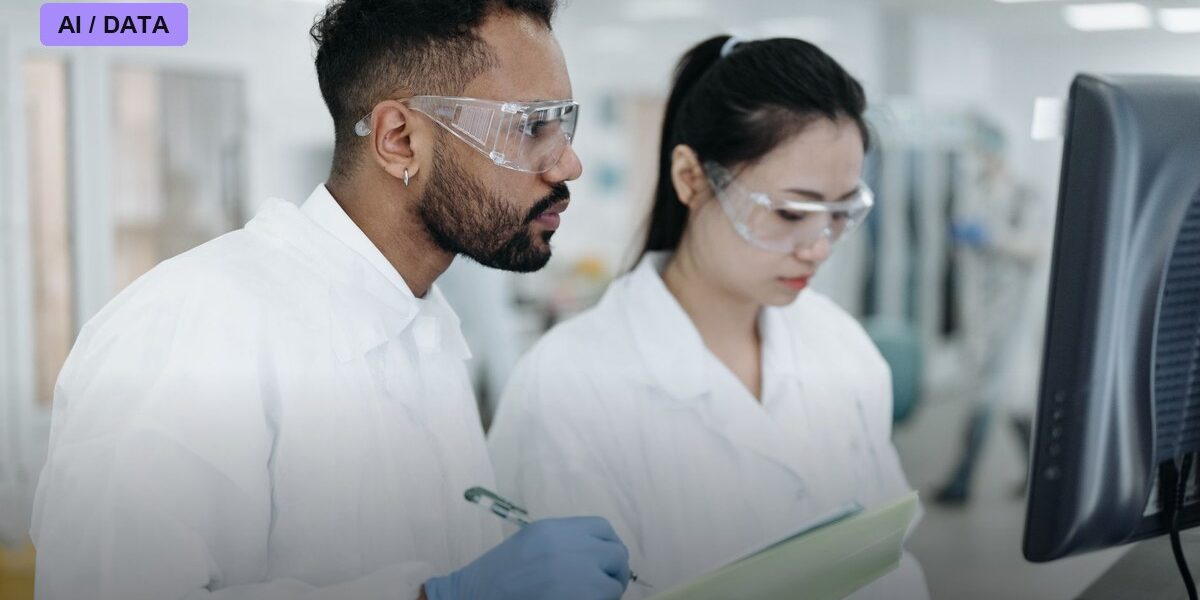
Photo: Pavel Danilyuk / PEXELS via Pexels