OpenAI is preparing to launch its first consumer hardware device in the second half of 2026, the result of a partnership with former Apple design chief Jony Ive that began with OpenAI’s roughly $6.4 billion acquisition of Ive’s startup io. Chief global affairs officer Chris Lehane confirmed the timeline at Davos in January, setting up what could be the most closely watched hardware launch of the year outside of the smartphone industry.
A Screen-Free Approach
Rather than competing head-on with smartphones, OpenAI’s device is reportedly designed to be screen-free and pocketable, built around voice and ambient AI interaction instead of a traditional display. CEO Sam Altman has described the goal as creating something more ‘peaceful and calm’ than the attention-grabbing design of modern smartphones — a notable pitch given how much criticism has been directed at phones and social apps for exactly that kind of engagement-maximizing design.
Multiple Form Factors in Development
Reports suggest OpenAI and Ive’s team are developing more than one form factor, including an earbud-style wearable reportedly codenamed ‘Sweetpea’ and a pen-like device reportedly codenamed ‘Gumdrop.’ Those codenames and associated manufacturing details, including claims that production would run through Foxconn, come from secondary reporting rather than official OpenAI statements, so the final shipping product could differ substantially from what’s circulated so far.
Why OpenAI Wants Its Own Hardware
OpenAI’s push into hardware mirrors a broader trend among AI labs seeking to control the full experience of their products rather than being limited to software running on competitors’ devices — Apple’s iPhone and Google’s Android chief among them. By owning the hardware, OpenAI could build an AI assistant experience unconstrained by the interface decisions of a third-party phone maker, while also capturing margin currently going to Apple and Samsung.
A Crowded Field of AI Hardware Bets
OpenAI isn’t alone in this wager. Meta has aggressively expanded its Ray-Ban smart glasses line with EssilorLuxottica, reporting strong sales growth through 2026, and multiple startups have launched AI-powered translation earbuds and wearables this year. Most of these products have struggled to prove they’re more than novelties, and OpenAI’s device will face the same test: whether voice-and-ambient AI interaction can actually displace habits built around touchscreens.
What to Watch Next
The key open questions are what OpenAI actually unveils, at what price, and whether the device ships to consumers before the end of 2026 as planned. Given the complexity of hardware manufacturing and OpenAI’s lack of prior experience shipping physical products at scale, delays wouldn’t be surprising — but a successful launch could reshape how people interact with AI assistants well beyond the smartphone screen.
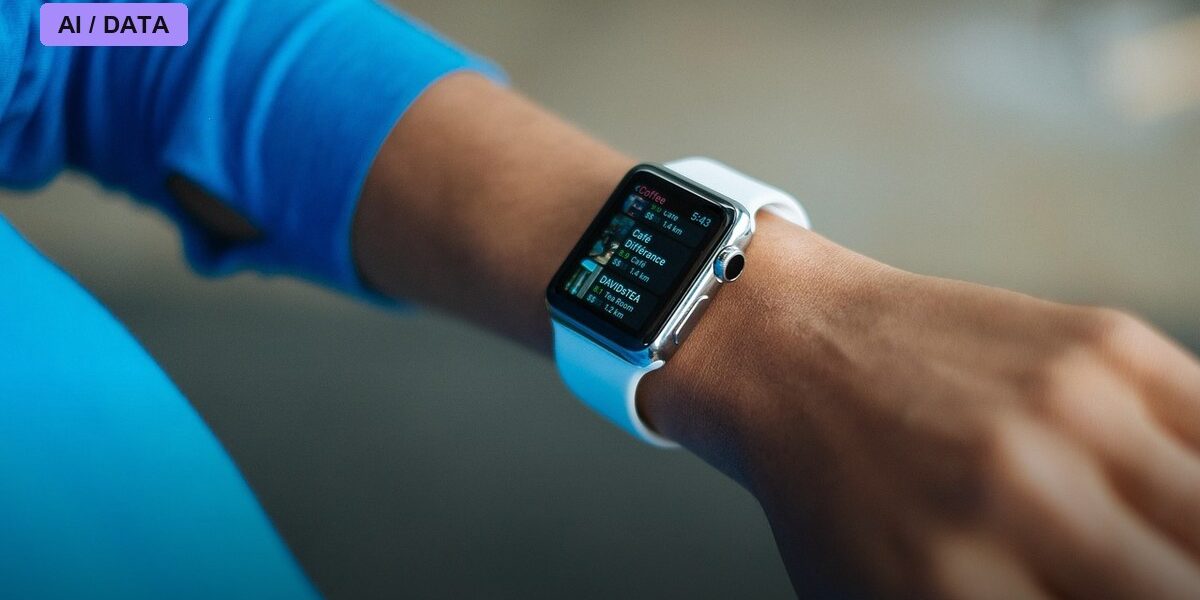
Photo: fancycrave1 / PIXABAY via Pixabay