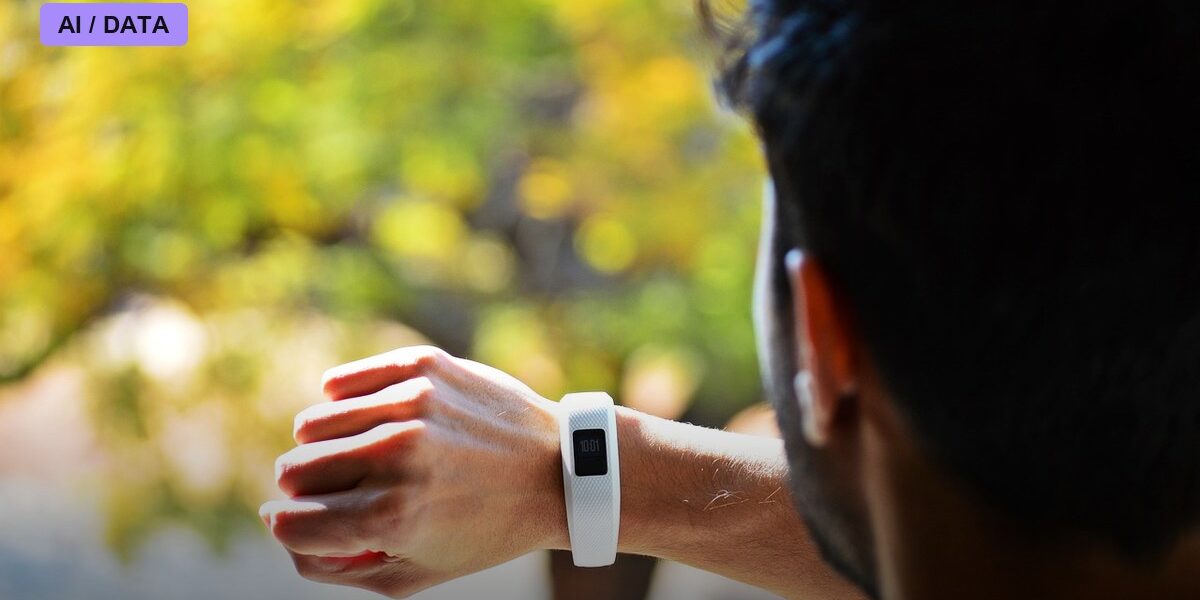
Google is rolling out a new AI feature suite called Health Guardian to Fitbit Air devices, including passive blood pressure trend tracking and insulin resistance monitoring, with some features already live and others expected by late October alongside the new Fitbit Edge, but the most clinically interesting capabilities are locked behind a Google Health Premium subscription priced at $9.99 a month or $99.99 a year.
What Health Guardian Actually Measures
Rather than providing a single-point blood pressure reading the way a traditional cuff does, Health Guardian’s passive tracking approach analyzes patterns in sensor data over time to flag trends, such as a gradual upward drift in blood pressure readings, that might otherwise go unnoticed between occasional clinical checkups. The insulin resistance monitoring feature similarly aims to surface early warning signals from passively collected wearable data rather than requiring a dedicated blood draw or glucose monitor, positioning the tool as an early-detection layer rather than a diagnostic replacement for clinical testing.
Why Google Is Gating This Behind a Subscription
Google’s decision to place Health Guardian’s more advanced features behind a paid Google Health Premium tier reflects a broader shift among consumer wearable makers toward recurring subscription revenue, following a path already well-established by competitors like Whoop and, within Google’s own portfolio, its previous Fitbit Premium offering. This monetization strategy raises equity questions, since the health-monitoring features most likely to catch early signs of hypertension or prediabetes become available primarily to consumers willing and able to pay an ongoing fee, rather than being included with the hardware purchase itself.
How This Compares to Clinical-Grade Monitoring
Medical researchers studying wearable health technology have consistently cautioned that consumer wearable blood pressure and metabolic trend data, however sophisticated the underlying AI, should be treated as a screening signal rather than a diagnostic result, with any concerning trend requiring confirmation through clinical-grade testing, a distinction Google’s own marketing materials for Health Guardian reportedly acknowledge. This mirrors how existing wearable heart rhythm irregularity alerts function: useful for prompting a doctor visit, but not a substitute for a clinical ECG.
Competitive Pressure From Samsung and Others
Google’s Health Guardian launch follows Samsung’s introduction of its own AI health assistant within Samsung Health, which draws on sleep, activity, nutrition, mindfulness, and vitals data to answer user health questions, suggesting the major wearable platforms are converging on AI-driven, multi-signal health insights as a core competitive battleground rather than a niche feature. Industry data shows holistic wearable use, tracking broader health signals rather than just fitness metrics, has risen from 20% in 2024 to 24% in 2026, even as narrowly fitness-focused use has declined over the same period.
The Privacy Question Looming Over All of This
Continuous passive health monitoring of this kind generates an enormous volume of sensitive personal health data, and some commentators have raised concerns about whether existing privacy laws adequately address AI wearables capable of this level of ongoing physiological monitoring, though the strength and rigor of that specific critique varies considerably depending on the source. Google has stated its health data handling complies with applicable health privacy regulations, though independent audits of its specific data practices for Health Guardian have not been widely published.
What’s Next
Watch for user and clinical feedback once Health Guardian’s full feature set rolls out by late October, particularly around false-positive rates for its trend alerts, which will shape whether the tool earns trust as a meaningful early-warning system or becomes another source of low-value health anxiety. Competitive responses from Samsung, Apple, and other wearable makers will also be worth tracking as the subscription-gated health-AI model becomes more entrenched across the industry.
Photo: FitNishMedia / PIXABAY via Pixabay