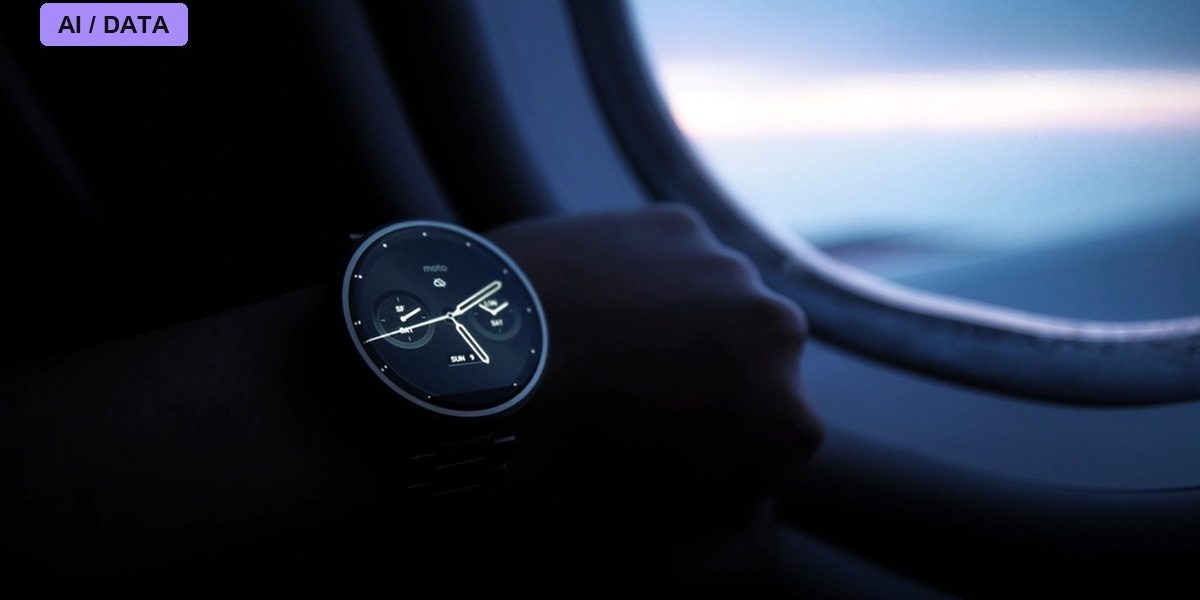
The smartwatch on your wrist has quietly become a health guardian. In 2026, AI-powered wearables do far more than count steps — they detect early signs of illness, monitor chronic conditions and coach users on their health every day. By pairing sensors with AI that interprets the data in real time, these devices are turning everyday gadgets into powerful, personal tools for staying well.
Beyond steps and heart rate
The sensors have multiplied. The latest wearables measure blood oxygen, skin temperature, sweat composition and even voice patterns, far beyond basic activity tracking. This richer stream of data gives AI more to work with, enabling insights about health that were once impossible to gather outside a clinic.
Catching illness early
The payoff is early warning. AI models can detect the early signs of a respiratory infection from a change in the sound of a cough, or spot the onset of atrial fibrillation from a subtle irregularity in the pulse. By flagging problems before they escalate, wearables can prompt people to seek care sooner.
Care that never sleeps
Monitoring goes continuous. AI’s ability to analyze wearable data in real time is transforming remote patient monitoring, creating a more continuous model of care. For people managing chronic conditions, that means clinicians can track their health between visits and intervene when the data signals trouble.
A coach in your pocket
Guidance gets personal. In a sign of where things are headed, Fitbit Premium has been rebranded as Google Health Premium, anchored by a Gemini-powered Health Coach that uses wearable data to deliver personalized fitness plans, sleep insights and medical-record summaries on your phone. The device becomes an always-on adviser.
Bridging to the clinic
Wearables and doctors connect. The data these devices gather increasingly integrates with telehealth and clinical tools, helping physicians with diagnosis and treatment planning. The result is a tighter link between everyday self-tracking and professional care, with the wearable as the bridge.
Why it matters
Health is the most personal data of all. AI wearables can catch problems early, extend care beyond the clinic and empower people to manage their wellbeing — potentially improving outcomes at scale. But the flood of intimate health data also raises real questions about privacy, accuracy and how that information is used.
The bottom line
AI wearables in 2026 have evolved into personal health guardians, detecting early illness, enabling continuous monitoring and coaching users daily. By turning everyday devices into clinical-grade tools, they promise better, earlier care — alongside fresh concerns about the privacy of our most personal data. The doctor, increasingly, is on your wrist.