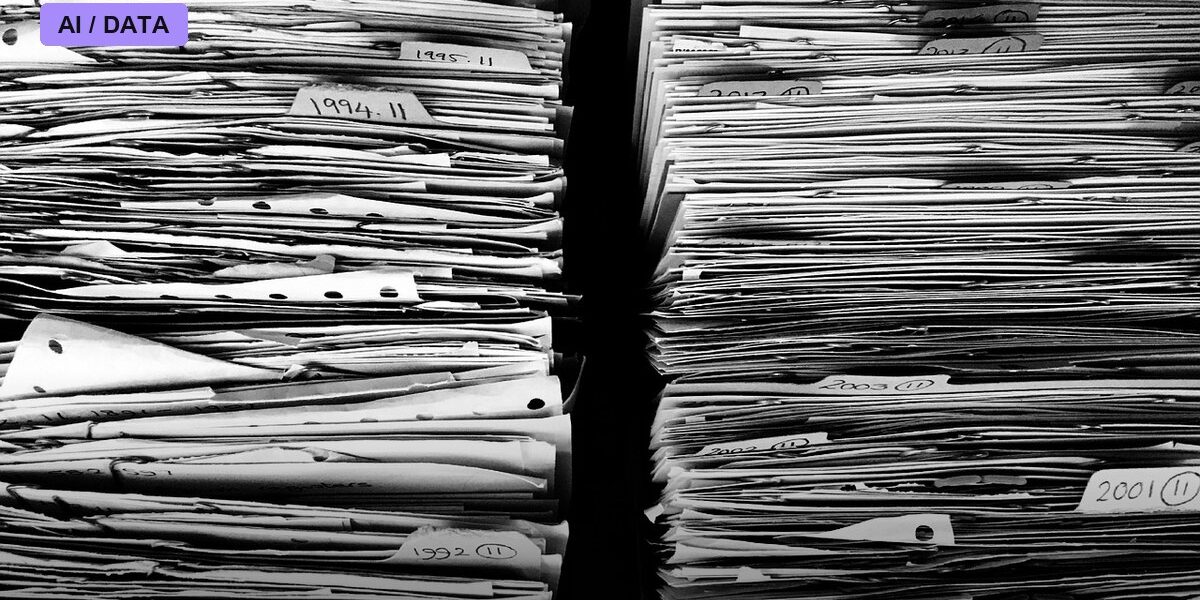
The UK’s Medical Protection Society has warned that AI-generated patient complaints — some running longer than 20 pages and containing questionable legal arguments — are adding significantly to the workload of general practitioners, potentially diverting time away from direct patient care.
What’s Happening
Patients increasingly use generative AI tools to draft formal complaints against GPs or practices, and the resulting documents are often far longer and more legally elaborate than complaints patients would have written unaided, according to the Medical Protection Society, which provides professional indemnity support to UK doctors. Because AI can generate convincing-sounding legal and procedural language regardless of whether the underlying claims have merit, GPs and practice managers say they now must spend disproportionate time reviewing and responding to complaints whose length and apparent sophistication don’t necessarily reflect the substance of the underlying grievance.
A Symmetrical Problem
The complaint is a mirror image of a dynamic already well documented on the clinical side: AI tools are helping clinicians draft notes and documentation faster, even as the same technology helps patients generate complaints and correspondence that are harder and slower for clinicians to process. GPs now face AI-assisted demands on both ends of their workflow — AI helping them document faster, while AI also helps patients generate more complex complaints to respond to.
Why Length and Legal Language Matter
Complaint-handling procedures within the UK’s National Health Service and private practices typically require a thorough, documented response to each point raised, meaning a 20-page AI-generated complaint can force a proportionally lengthy formal reply regardless of how many of its claims have genuine clinical substance. Legal experts note AI tools can produce confident-sounding references to regulations or precedents that don’t actually apply, requiring a GP or practice administrator to verify and rebut claims that may be entirely fabricated by the AI system that generated them.
The Workload and Burnout Angle
The Medical Protection Society’s warning adds a new dimension to ongoing concerns about physician burnout tied to administrative burden, a problem AI tools like ambient scribes were specifically designed to address by reducing documentation time. The irony — AI simultaneously easing one administrative burden on clinicians while adding a new one through patient-side AI use — illustrates how unevenly AI’s productivity effects are distributed across a healthcare system’s different participants.
How Practices Are Responding
Some UK practices have reportedly begun developing internal guidance for staff on efficiently triaging AI-generated complaints, distinguishing genuine clinical concerns buried within lengthy AI-drafted text from complaints that are substantively thin despite their length. The Medical Protection Society has not called for restrictions on patients’ use of AI to draft complaints, instead framing the issue as a workload management challenge practices need new processes to handle.
What’s Next
The Medical Protection Society has not proposed specific policy changes to the NHS complaints process in response to the trend, though the warning is likely to feed into broader discussions about how healthcare administrative processes need to adapt as AI tools become commonplace on both the provider and patient side of nearly every interaction. Similar dynamics are likely to emerge in other countries’ healthcare systems as patient AI literacy and tool access continue to spread.
Photo: myrfa / PIXABAY via Pixabay