South Korea has one of the fastest-aging populations in the world, and its capital is betting on robotics and AI sensors to help a shrinking caregiving workforce keep up. The Seoul Welfare Foundation announced that six nursing facilities, selected from 40 applicants, will take part in its 2026 Care Service Digital Transformation Support program, deploying motorized repositioning beds, radar-based fall monitors, and pressure-ulcer prevention technology to handle some of the most physically demanding tasks in elder care.
The Demographic Pressure Driving the Program
South Korea’s elderly population is growing faster than its caregiving workforce, and the physical toll of manual patient care, particularly repositioning bedridden residents multiple times a day, is one of the leading causes of injury and burnout among nursing home staff. The Seoul Welfare Foundation’s program is a direct response to that strain, targeting the specific tasks that are both high-risk for injury and essential for resident health.
What the Technology Actually Does
At Gangbuk Haru Jeong and Balgeunssal nursing homes, staff will use motorized repositioning beds designed to reduce the physical strain of turning bedridden patients, a task traditionally requiring two or more staff members lifting and rotating a person manually several times per shift. At Yongsan Senior Nursing Home, the program introduces noncontact radar sensors for fall monitoring, allowing staff to detect when a resident is at risk of falling or has fallen without needing a camera in their room or a staff member physically present. Other facilities in the program are focused on pressure-ulcer prevention technology, addressing a chronic and painful complication of limited mobility in long-term care.
A Modest Budget With an Eye on Scaling
Each of the six participating institutions receives roughly 7 million won, about $4,300, in project funding, along with specialized technical consulting to help them integrate the new equipment into existing workflows. That is a relatively modest sum for the equipment involved, suggesting the program is structured as a proof-of-concept and evaluation phase rather than a full capital rollout, with broader funding presumably contingent on results.
The Case for Caution Before Scaling Up
Technology adoption in understaffed care settings carries real risk if it is poorly integrated: a sensor system that generates too many false alarms can train exhausted staff to ignore it, while equipment that requires extensive retraining can initially slow down care rather than speed it up. The Seoul program’s selection of just six facilities out of 40 applicants, rather than a blanket rollout, suggests organizers are aware of these risks and want real-world performance data, including staff workflow impact and resident acceptance, before expanding further across the city’s nursing home network.
How Seoul’s Approach Compares Internationally
Seoul’s program sits alongside a broader wave of eldercare automation efforts in countries facing similar demographic pressures, including robotic companion pilots in the United States and humanoid eldercare robot development in China. What distinguishes Seoul’s approach is its focus on unglamorous but high-impact physical tasks, repositioning, fall detection, and pressure-ulcer prevention, rather than more headline-grabbing companion or conversational robots. That focus reflects where caregiver injuries and resident safety incidents most commonly occur in long-term care.
What Success Would Look Like From Here
The Seoul Welfare Foundation has not yet published a timeline for evaluating outcomes or a start date beyond the announcement itself, leaving open exactly when results will be available. If the pilot demonstrates fewer staff injuries, faster fall response times, or measurable reductions in pressure ulcers across the six facilities, it would offer a template other cities grappling with aging populations and caregiver shortages could adapt. For now, the program represents a targeted, modestly funded bet that the most valuable AI and robotics investment in elder care may not be a conversational companion, but equipment that takes the physical strain off the humans still doing the bulk of the caregiving.
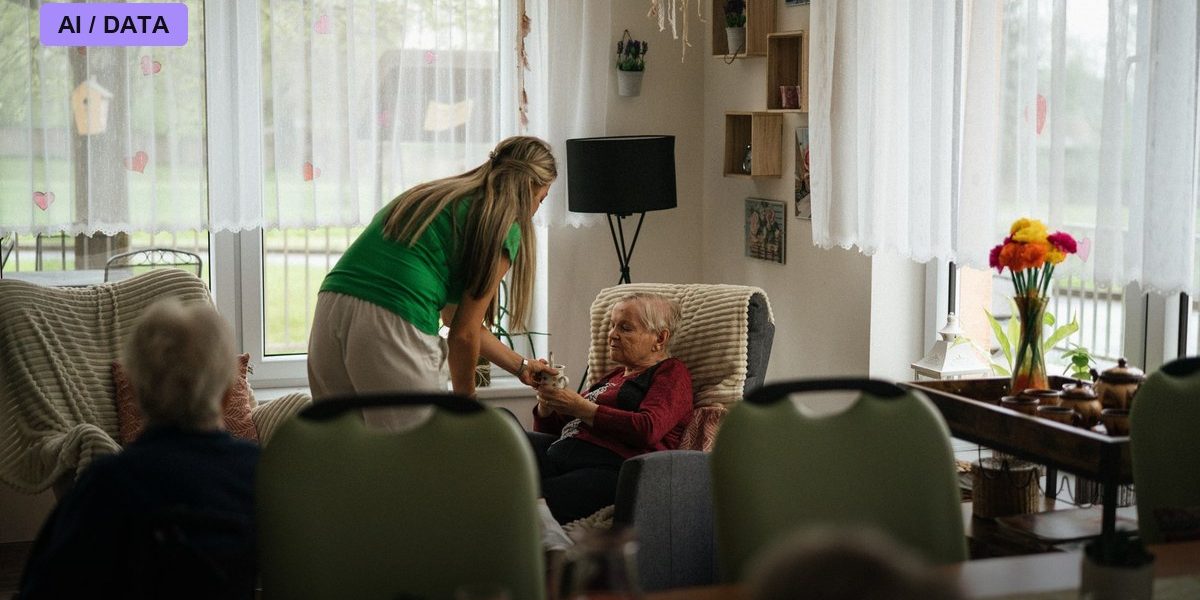
Photo: Jsme MILA / PEXELS via Pexels