A breast cancer diagnosis used to come with a frustratingly blunt set of follow-up questions: how aggressive is this tumor, and how aggressively should it be treated. A newly cleared AI tool is aimed squarely at sharpening that answer. ArteraAI Breast has received FDA clearance as the first AI digital-pathology risk test specifically built for breast cancer, according to a 2026 roundup from health-AI research firm DeciBio, giving clinicians a new, image-based way to estimate a tumor’s likely behavior directly from pathology slides.
What makes it a “digital pathology” test
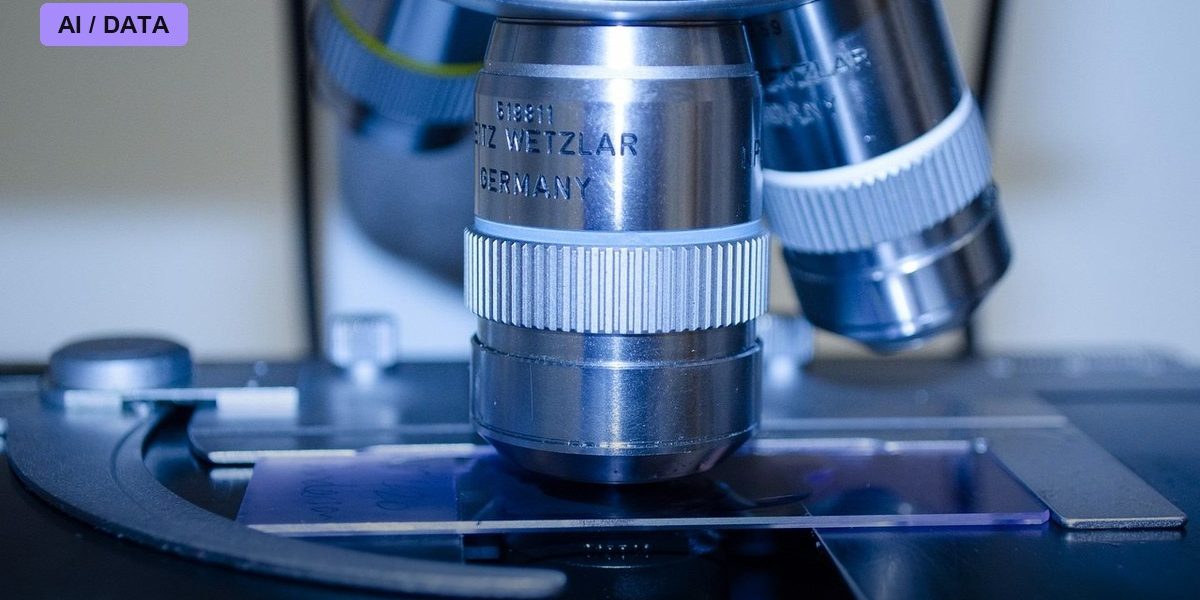
Traditional pathology relies on a human pathologist examining tissue slides under a microscope and applying established grading criteria to judge how abnormal and aggressive cancer cells appear. Digital pathology converts those same slides into high-resolution digital images that AI models can analyze directly, picking up on subtle patterns in cell structure, arrangement and texture that may correlate with how a tumor is likely to progress — patterns that can be difficult for the human eye to quantify consistently across different pathologists and institutions.
Why risk prediction matters as much as detection
Much of the public conversation about AI in cancer care has focused on detection — finding tumors earlier. ArteraAI Breast targets a different, arguably harder problem: once a tumor is found, how aggressively should it be treated. Overtreatment, subjecting a patient to chemotherapy or radiation they didn’t need, and undertreatment, missing an aggressive cancer that needed intervention, are both real risks in current practice, and better risk stratification could help oncologists make more precisely calibrated treatment recommendations rather than defaulting to one-size-fits-all protocols.
How this connects to the mammography-AI trend
ArteraAI Breast’s clearance arrives alongside a broader shift in breast cancer care toward AI-based risk prediction more generally. The 2026 NCCN breast cancer screening guidelines now incorporate AI-derived risk scores from standard mammograms, using a 5-year risk threshold of 1.7 percent or higher to prompt shared decision-making about additional screening such as MRI. Together, these developments mark a shift from AI as a single-moment detection tool toward AI as an ongoing risk-assessment layer spanning screening, diagnosis and treatment planning.
What pathologists and oncologists are watching for
Supporters argue that image-based AI risk scoring, if validated across diverse patient populations, could reduce the variability that exists today between different pathologists’ subjective grading of the same tumor — a long-documented problem in pathology. Skeptics within oncology point out that risk-prediction tools are only as trustworthy as the datasets they were trained on, and that breast cancer research has historically underrepresented certain populations, raising the question of whether ArteraAI Breast’s risk scores are equally reliable across different racial and ethnic groups, body types and tumor subtypes — a question that will only be answered through post-market, real-world validation rather than the clearance process alone.
The coverage and access questions
An AJMC analysis from July 2026 warned that AI adoption in breast cancer care is outpacing coverage policy and clinical guidelines more broadly, meaning tools like ArteraAI Breast could become clinically available well before insurers have settled who qualifies for the test and who pays for it. Federal rules effective January 2026 require ACA-regulated health plans to cover recommended follow-up breast imaging without patient cost-sharing, but that rule predates and doesn’t directly address newer digital-pathology risk tests.
What’s next
The real test for ArteraAI Breast will come in post-clearance, real-world use: do its risk predictions hold up across community hospital pathology labs as well as the academic centers where such tools are often first validated, and do insurers move to cover it consistently. With Roche separately reported to be acquiring digital-pathology company PathAI for up to $1.05 billion, investment money is clearly flowing into this category — meaning more AI pathology tools, for more cancer types, are likely on the way in the next year. Patient advocacy groups say they will be pressing both Artera and insurers for plain-language disclosure of exactly which populations the tool’s validation studies included, arguing that a risk score is only as trustworthy as the diversity of the patients it was tested on. Academic pathology departments say they would welcome an independent, multi-institution replication study before treating ArteraAI Breast’s risk categories as equivalent to decades-old manual grading systems that, whatever their flaws, have at least been tested against outcomes for generations of patients.
Photo: PublicDomainPictures / PIXABAY via Pixabay