Drug distribution giant McKesson Corporation has confirmed a cyberattack that the extortion group ShinyHunters says yielded 284 million patient records, one of the largest healthcare data incidents disclosed this year. McKesson detected the intrusion on August 25, according to reporting from Help Net Security and CyberInsider, and the company says it is still working to determine the full scope of what was taken.
How the attackers got in
Investigators tracking the breach say ShinyHunters did not need a software exploit to break into McKesson’s systems. The group instead used vishing calls, phone-based social engineering, to trick employees into handing over credentials. Those credentials let the attackers take over single sign-on accounts tied to Okta, the identity-management platform many large companies use as a front door to internal systems. From there, ShinyHunters claims it pivoted into McKesson’s Salesforce and Snowflake environments, two platforms widely used across the healthcare industry not just to store customer and patient records but to feed analytics and AI-driven forecasting tools. Over roughly four days, the group says it exfiltrated close to a terabyte of data.
What was reportedly stolen
ShinyHunters claims the haul includes names, home addresses, dates of birth, Social Security numbers, phone numbers and email addresses, alongside clinical details such as patient IDs, medical record numbers, Medicaid numbers, medications, allergies, diagnosed illnesses, disabilities, appointment records and treating-physician information, according to CPO Magazine and HIPAA Journal. The group has acknowledged that its headline figure of 284 million is a count of raw data rows rather than unique individuals, meaning the number of actual people affected, while still likely in the tens of millions, has not been independently confirmed.
A ransom demand in the tens of millions
ShinyHunters says it is demanding $55,236,150 to refrain from publishing the stolen files, and claims that as of its public statements, McKesson had not responded to its extortion messages. McKesson has not confirmed paying any ransom. The company, which is the largest pharmaceutical distributor in the United States and also operates Ontada, an oncology-focused data and analytics unit that feeds clinical information into AI-assisted treatment-insight tools, said in a statement that it detected the intrusion quickly and engaged outside forensic investigators.
Why this breach worries security researchers more than most
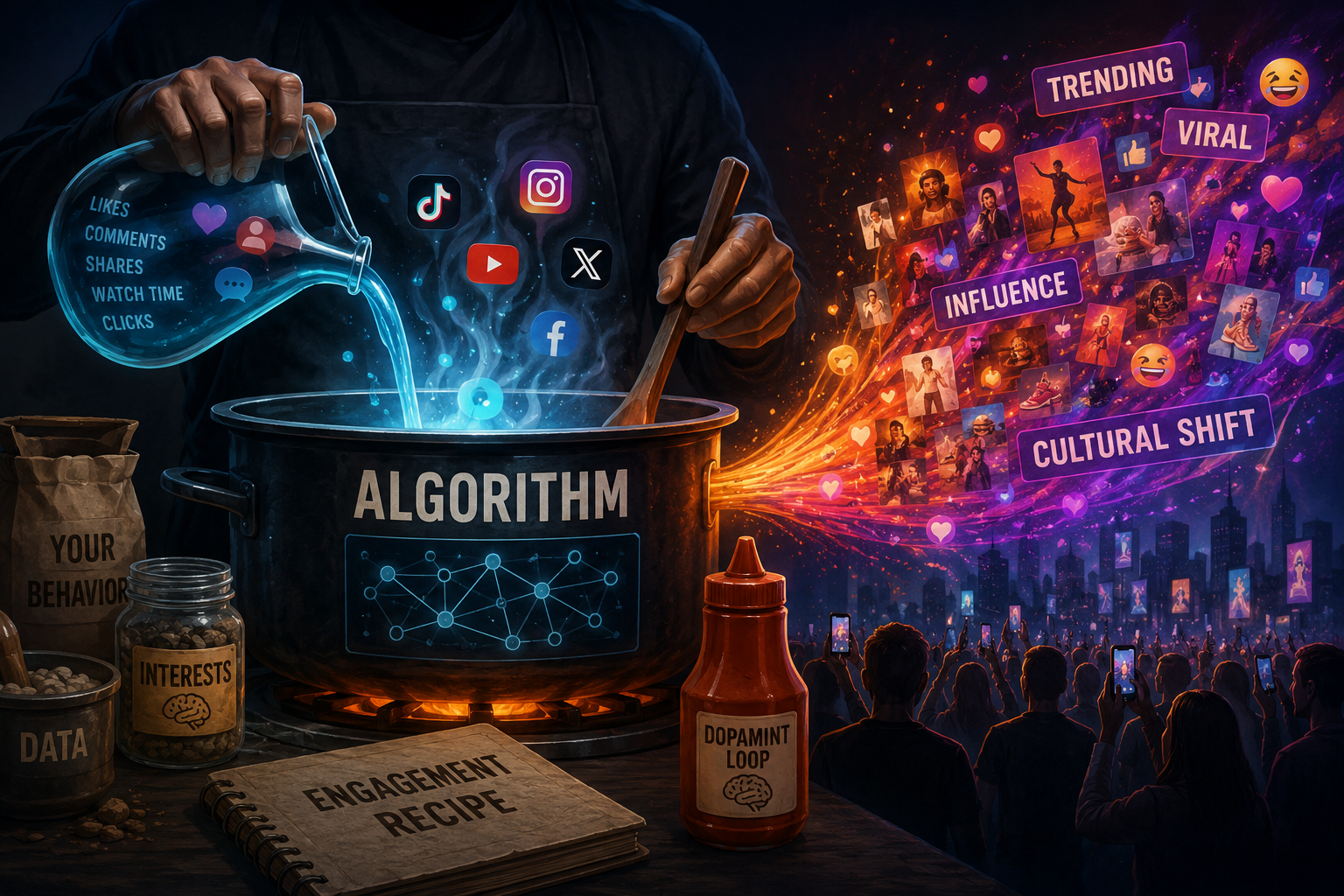
What alarms cybersecurity professionals is not just the volume of data but the path it took. Vishing-driven Okta compromises have become a signature tactic of ShinyHunters and affiliated groups over the past two years, and McKesson’s breach fits a pattern of attackers specifically targeting the cloud platforms, Salesforce and Snowflake, that healthcare companies increasingly use to centralize data before it is pushed into machine-learning and business-intelligence systems. Privacy researchers at PrivaPlan and other firms tracking the incident have noted that as more health data gets consolidated into these analytics pipelines to power AI applications, a single compromised employee credential can expose records that were never meant to flow outside clinical systems in the first place.
Industry versus advocate perspectives
McKesson’s public position has been to emphasize that the investigation is ongoing and that it is notifying affected individuals and regulators as required. Health-privacy advocates, however, argue that the scale of the breach, bigger than almost any healthcare hack on record if even a fraction of the claimed records prove genuine, shows that current safeguards around third-party data platforms are inadequate. They point to the inclusion of Medicaid numbers and disability status as particularly sensitive, since that information can be used for targeted fraud against some of the most vulnerable patients in the healthcare system. Security experts, meanwhile, are using the incident to push for mandatory multi-factor authentication hardened against phone-based social engineering, not just standard MFA, across any vendor handling protected health information.
What happens next
McKesson is expected to file formal breach notifications with the U.S. Department of Health and Human Services’ Office for Civil Rights, which maintains the public breach tracker that will ultimately confirm how many individuals were affected. Class-action law firms have already begun soliciting affected patients, a near-certain precursor to litigation given the size of the incident. For regulators, the breach adds urgency to ongoing debates in Washington and state legislatures about whether companies that feed patient data into AI and analytics platforms need stricter, AI-specific security obligations rather than relying on decades-old HIPAA security rules that were never built with cloud-scale data warehousing in mind.
Photo: katielwhite91 / PIXABAY via Pixabay