Pulmonary hypertension is a disease that tends to announce itself only after it has already done serious damage. Early symptoms, like breathlessness, fatigue, and swelling, are easy to attribute to dozens of more common conditions, and confirming the diagnosis typically requires an invasive right heart catheterization that physicians are reluctant to order without strong clinical suspicion first. Tempus AI is betting that a standard ECG can supply that suspicion. The company announced in early September 2026 that it had received 510(k) clearance from the FDA for Tempus ECG-PH, its third cleared cardiovascular AI device.
What the Tool Actually Does
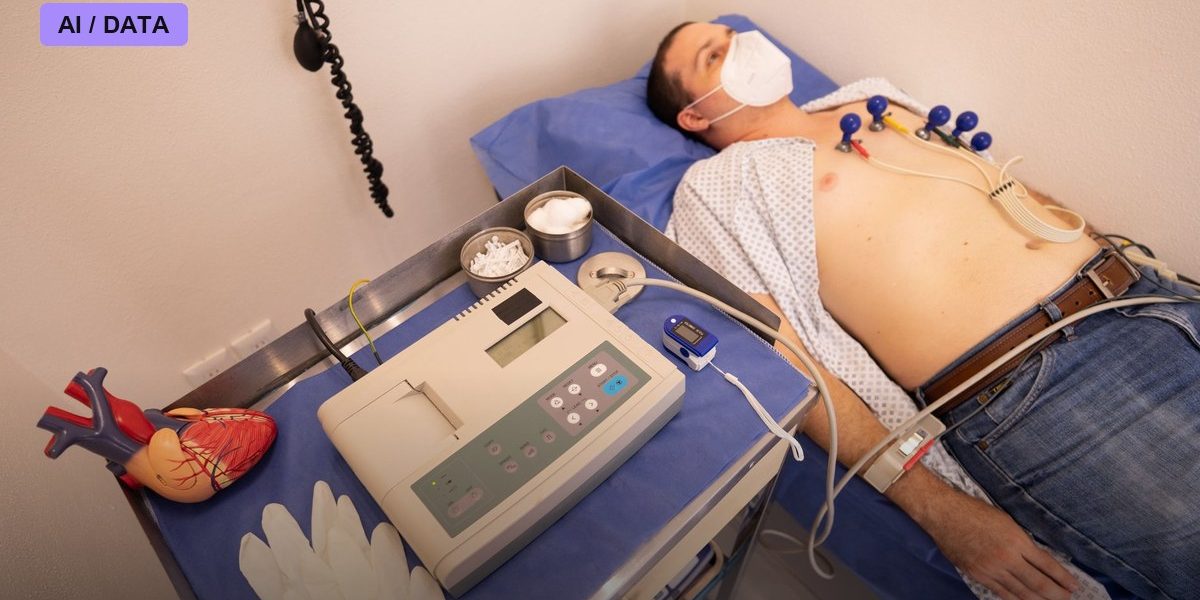
Tempus ECG-PH analyzes resting, non-ambulatory 12-lead ECG recordings and looks for signs associated with elevated mean pulmonary artery pressure above 20 millimeters of mercury, a threshold that defines pulmonary hypertension. The device is cleared for use on ECGs collected at a healthcare facility from patients aged 40 or older who present with cardiovascular symptoms such as dyspnea, fatigue, chest pain, or edema, and who don’t already have a known history of the disease. Notably, the FDA clearance specifies that the tool is not meant to stand alone as a diagnostic test, should not be used for serial monitoring of the same patient over time, and should not be applied to ECGs showing paced rhythms, guardrails that narrow its intended role to flagging risk rather than confirming disease.
Built on a Company-Wide Cardiology Push
ECG-PH is the third FDA-cleared cardiovascular device in Tempus’s growing portfolio, following earlier clearances for other AI tools aimed at identifying patients at risk for complex cardiac conditions. Brandon Fornwalt, the company’s senior vice president of cardiology, framed the clearance as part of a deliberate strategy rather than a one-off product. Pulmonary hypertension has historically been underdiagnosed because early symptoms are non-specific and gold-standard diagnostics are invasive, Fornwalt said in a statement announcing the clearance, adding that the third FDA-cleared cardiovascular device reflects the company’s broader goal of using AI to help identify patients across the spectrum of cardiovascular disease and build tools that can help clinicians surface risk earlier.
The Diagnostic Gap This Is Meant to Close
Pulmonary hypertension’s reputation as a hard-to-diagnose disease isn’t new, and patients frequently report years of symptoms and multiple physician visits before a specialist finally orders the right heart catheterization that confirms the condition. Because that confirmatory test is invasive and typically performed only at specialized centers, the bottleneck has never really been the accuracy of the gold-standard test itself, it has been getting patients referred for it in the first place. An ECG, by contrast, is inexpensive, fast, and already part of routine evaluation for almost anyone presenting with cardiac symptoms, which is what makes it an attractive screening layer if an algorithm can reliably extract a pulmonary hypertension signal from it.
Echoes of a Broader Industry Trend
Tempus is not alone in pursuing this approach. Other companies have won separate FDA clearances in 2026 for ECG-based detection of structural heart disease and cardiac amyloidosis, part of a broader wave of AI models designed to extract more diagnostic value from the humble electrocardiogram, a test that has barely changed technologically in decades. For health systems, the appeal is that none of these tools require new hardware purchases or additional patient visits; they work against data that’s already being collected as part of routine care.
Reasons for Caution
Pulmonary hypertension specialists have generally welcomed tools that could shorten the path to diagnosis, given how often the disease progresses silently before detection. But the FDA’s own labeling restrictions for ECG-PH point to the limits built into the clearance: it is explicitly a risk-flagging tool, not a diagnostic one, and clinicians are expected to treat a positive result as a prompt for further workup rather than a basis for treatment decisions. There’s also a familiar concern about generalizability. Validation data submitted for 510(k) clearance reflects a defined patient population and a defined set of ECG equipment; as the tool spreads into more hospitals and clinics with different patient mixes and different recording hardware, real-world performance will be the real test of whether the algorithm holds up outside its original study conditions.
What’s Next
With three cardiovascular AI clearances now in hand, Tempus appears to be building a suite of ECG-based screening tools rather than treating any single clearance as a standalone product, a strategy that mirrors how some radiology AI companies have bundled multiple FDA-cleared algorithms into a single platform sale to hospitals. Whether ECG-PH meaningfully shortens the path from symptom onset to diagnosis will depend on how aggressively hospitals integrate it into existing ECG review workflows, and on whether clinicians act on flagged results by ordering the specialist referrals and confirmatory testing the tool is designed to trigger.
Photo: Los Muertos Crew / PEXELS via Pexels