Paige Prostate, made by pathology AI company Paige, holds the distinction of being the first AI-based pathology product ever cleared by the FDA, originally cleared in 2021 through the agency’s De Novo pathway for in vitro diagnostic use via Paige’s FullFocus digital pathology viewer. In 2026, it is being highlighted again as the first fully autonomous AI system designed specifically for prostate cancer detection through pathology analysis of biopsy slides.
A Second Set of Eyes on Every Slide
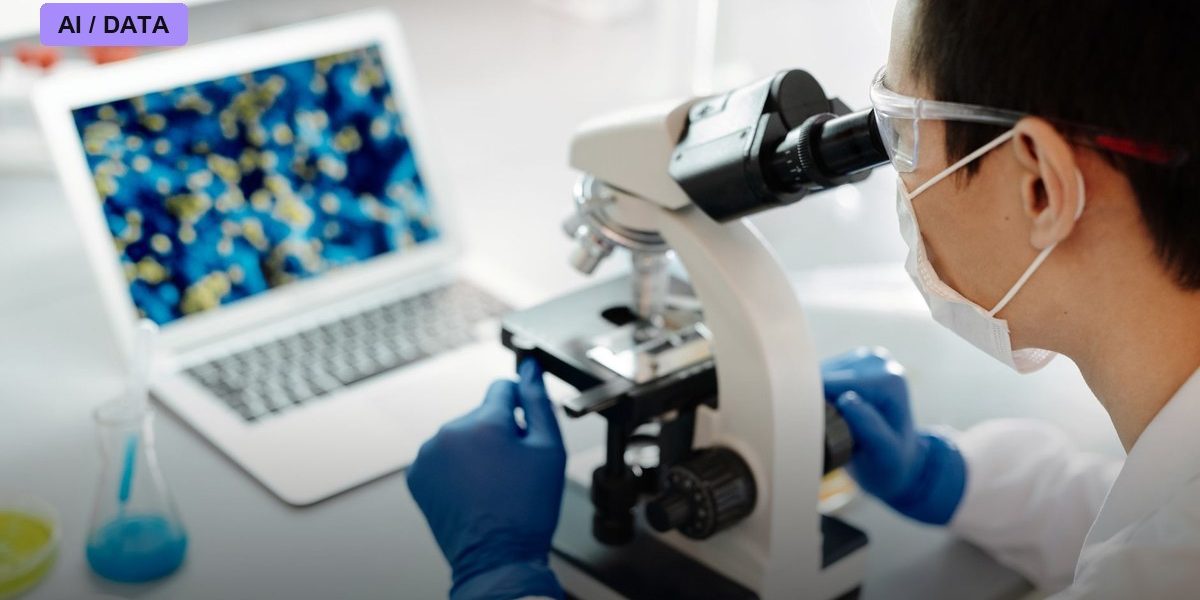
Prostate cancer is one of the most common cancers affecting men, and diagnosing it requires a pathologist to examine biopsy slides under a microscope by eye. Each needle biopsy can produce a dozen or more slides, and a shortage of pathologists in many regions has turned slide review into a genuine bottleneck, with backlogs that can delay diagnosis. Paige Prostate was built to act as an additional, tireless reviewer of that same tissue, flagging suspicious regions for a pathologist’s attention.
What the Performance Data Shows
According to clinical performance data, the AI improved overall cancer detection by an average of 7.3% compared with pathologist review alone. Just as significant, it cut false-negative diagnoses — cases where cancer is present but missed — by 70%, while also reducing false positives by 24%. In a disease where a missed diagnosis can mean a delayed start to treatment, that reduction in false negatives is the figure proponents point to most often.
Validated Across More Than 200 Institutions
One of the more technically notable aspects of Paige Prostate is that it has been validated on slides from over 200 institutions and performs without needing site-specific tuning or recalibration. That matters because pathology slide staining and scanning equipment vary considerably from lab to lab — a model trained narrowly on one institution’s slide-preparation style can struggle when applied elsewhere. Paige’s ability to generalize across 200-plus institutions suggests the model isn’t simply memorizing the visual quirks of a single lab’s workflow, which is a meaningful hurdle in deploying pathology AI broadly.
Why Pathologist Shortages Make This Timely
The timing lines up with a broader strain on pathology departments. With fewer pathologists available relative to biopsy volume in many regions, slide backlogs can stretch the time between biopsy and diagnosis. A tool that reliably flags likely cancerous regions before a human even looks at the slide could help labs prioritize urgent cases and reduce the chance that a rushed read, during a busy shift, results in cancer being overlooked.
The Case For and Against Relying on AI Review
Proponents of the technology argue that an AI "second read" that never gets tired, distracted, or rushed can catch cancers that a time-pressed pathologist might miss, particularly in under-resourced labs where a single pathologist may be reviewing a heavy caseload alone. In that context, even a modest improvement in detection sensitivity translates into real patients receiving an earlier diagnosis.
Pathologists themselves, however, are quick to note an important caveat: Paige Prostate is validated as an assistive tool, not a replacement for a trained pathologist’s judgment. A false negative that the AI delivers with apparent confidence is dangerous precisely because it might not get double-checked — if clinicians come to trust the AI’s read as sufficient on its own, a missed cancer could go unnoticed longer than it would have under traditional double-checking practices. There’s also an unresolved practical question: reimbursement and liability frameworks for AI-assisted pathology are still being worked out, meaning hospitals adopting the tool are, in some sense, operating ahead of the administrative and legal systems meant to support it.
What Comes Next
With validation now spanning more than 200 institutions, Paige Prostate is positioned to move from a notable FDA first into broader clinical routine, especially in labs facing the heaviest pathologist shortages. The more pressing question for the field isn’t whether the technology detects cancer well — the 7.3% detection improvement and 70% cut in false negatives suggest it does — but how hospitals, insurers, and regulators settle the surrounding framework of liability, reimbursement, and workflow integration that determines whether a validated tool actually gets used at scale. As more labs adopt it, pathologists and researchers will also be watching whether the tool’s strong multi-institution performance holds up as it’s deployed in day-to-day practice rather than in validation studies.
Photo: Edward Jenner / PEXELS via Pexels