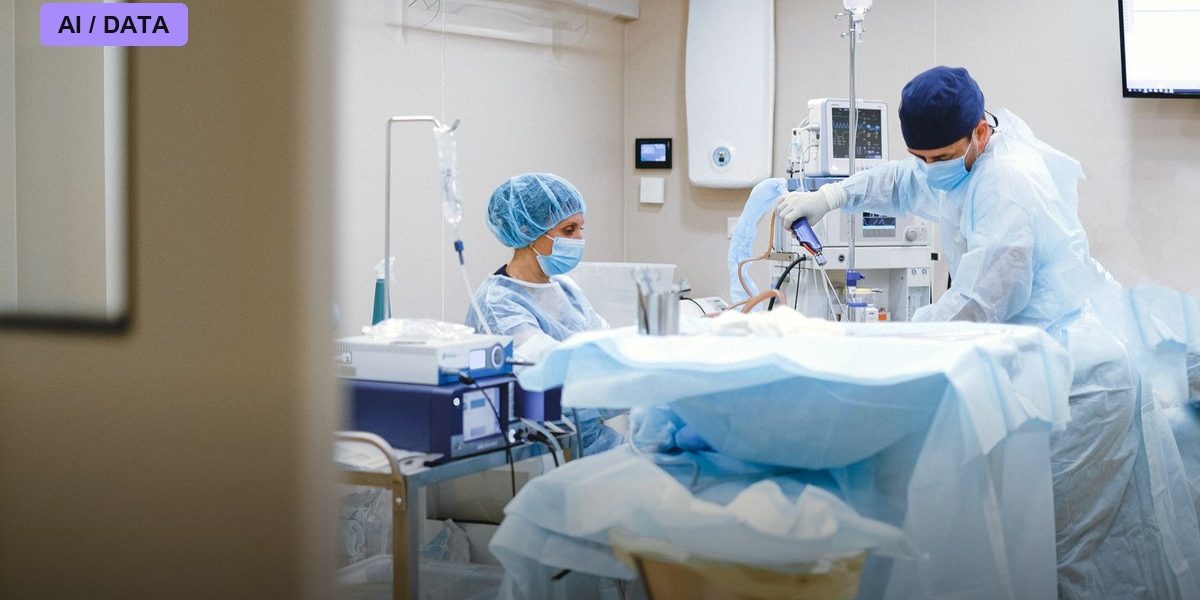
Johnson & Johnson announced on July 22, 2026 that the FDA granted De Novo market authorization for its OTTAVA Robotic Surgical System, a table-integrated, AI-assisted platform the company describes as the world’s first of its kind for soft tissue surgery, clearing the way for J&J to compete directly against Intuitive Surgical’s long-dominant da Vinci system.
A Market Intuitive Has Owned for Two Decades
Intuitive Surgical’s da Vinci platform has held a near-monopoly on soft tissue robotic surgery for more than twenty years, a dominance built on both its clinical track record and the high switching costs hospitals face once they have trained surgical teams and built workflows around a single robotic system. J&J first submitted Ottava to the FDA for de novo review in January 2026 after the system met its endpoints in a pivotal clinical study earlier in the year, following years of development under J&J MedTech.
What Ottava Is Now Cleared to Do
The FDA’s authorization covers a substantial list of general surgery procedures, including Roux-en-Y gastric bypass, gastrectomy, cholecystectomy, splenectomy, gastric sleeve surgery, small bowel resection, appendectomy, lysis of adhesions, fundoplication and hiatal hernia repair. J&J has said it will launch the system initially with a small number of select U.S. hospital customers while pursuing additional procedural indications and international regulatory clearances over time, a cautious rollout strategy common among first-generation medical robotics.
Where the AI Actually Fits In
Unlike some marketing narratives suggest, Ottava’s AI components are not autonomously performing surgery; FDA guidance for AI-enabled surgical devices generally requires that AI-assisted actions remain clearly distinguishable from surgeon-controlled movements within the surgical record. Instead, the system’s AI and data capabilities are built around integrated planning, navigation and workflow support, part of a broader industry trend of layering machine learning onto surgical hardware to assist with tasks like instrument tracking, tissue identification and procedural documentation, rather than independent decision-making.
A Crowded Field Emerging All at Once
Ottava’s clearance follows Medtronic’s Hugo system gaining FDA clearance in late 2025 and CMR Surgical’s Versius Plus beginning its U.S. launch in 2026, meaning Intuitive now faces its first serious multi-competitor challenge in soft tissue robotics in over two decades. Hospital purchasing committees, many of which have only ever evaluated a single robotic surgery vendor, are now confronting genuine comparison shopping for the first time, weighing not just upfront capital costs but training requirements, procedure time and long-term service contracts.
Surgeons Are Cautiously Curious, Not Uniformly Convinced
Surgeons who have trained on da Vinci systems for years are watching the new entrants with a mix of curiosity and skepticism, since switching robotic platforms requires retraining surgical teams and can temporarily slow procedure times during the transition period. Hospital administrators, meanwhile, see competitive pressure as an opportunity to negotiate better pricing on service contracts and future system purchases, a dynamic that has been largely absent from robotic surgery procurement for most of the field’s history.
What the Competition Means for Patients Long Term
Market analysts expect the arrival of credible competition to accelerate innovation cycles across all three companies, potentially speeding up the pace at which new AI-assisted features, expanded procedural indications and lower-cost system configurations reach hospitals. For now, J&J’s rollout remains deliberately limited, and the real test of Ottava’s competitive threat to Intuitive will play out over the next several years as more hospitals gain hands-on experience and outcomes data accumulates across a broader range of procedures.
Photo: Anna Shvets / PEXELS via Pexels