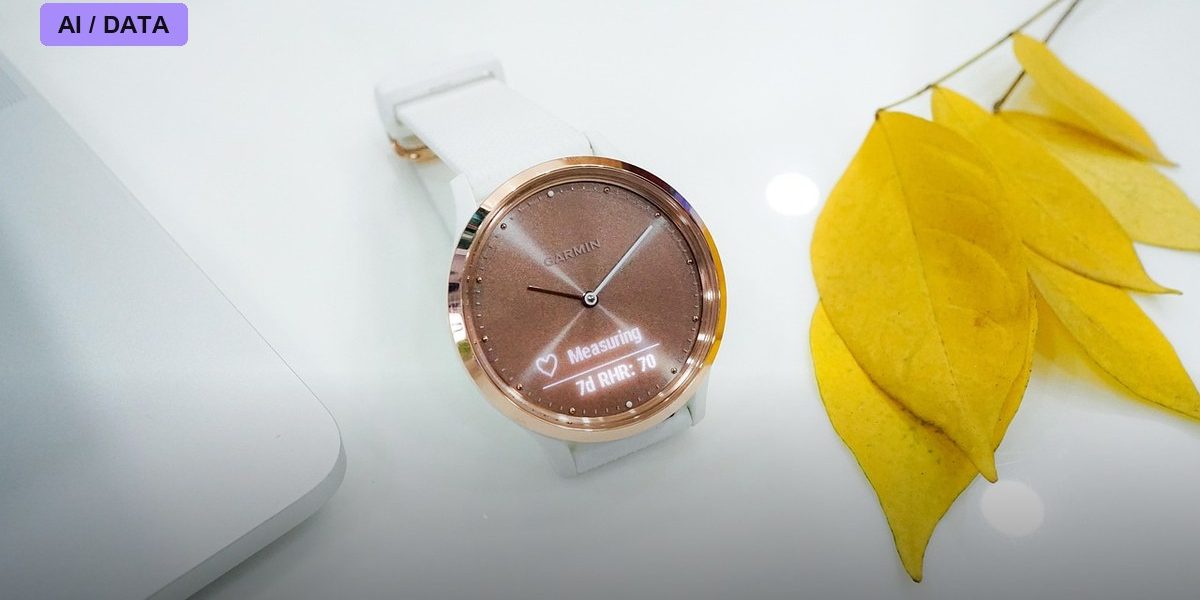
Whoop has rolled out a cluster of new AI-driven features this year, including Blood Pressure Insights, an FDA-cleared ECG function, and a service called Healthspan and Advanced Labs that offers targeted blood panels across cardiovascular, metabolic, performance and women’s health categories, signaling how quickly consumer wearables are edging into territory once reserved for clinical devices.
From Fitness Trackers to Diagnostic Tools
For years, wearables like Whoop, Oura and Apple Watch marketed themselves primarily around recovery scores, sleep tracking and workout metrics. That framing is changing fast. Whoop’s AI Coach now fields conversational questions about a user’s own biometric data, similar to Oura’s AI Advisor, while the addition of an FDA-cleared ECG feature and blood pressure insights moves the device closer to functions traditionally performed in a doctor’s office or with prescription-grade equipment.
Why the FDA Changed Its Posture
The shift has been enabled in part by a regulatory recalibration. The FDA released new final guidance documents loosening oversight requirements for certain wellness and software products, and after previously sending at least one wearable maker a warning letter over a blood pressure feature, the agency has since said blood pressure monitoring can, in some contexts, be treated as a general wellness feature rather than a regulated medical claim. That distinction matters enormously for manufacturers, since medical device classification triggers far more expensive and time-consuming clinical validation requirements.
The Case for Democratized Health Data
Proponents argue the shift gives ordinary consumers unprecedented visibility into biometric trends that used to require a clinic visit, insurance approval and a lab order. Whoop’s Advanced Labs offering, for instance, lets subscribers order targeted blood panels without first seeing a physician, part of a broader consumer health movement toward self-directed testing. Market data cited by industry trackers shows three in five U.S. adults now own a wearable device, up 33 percentage points since 2015, giving companies an enormous and rapidly growing dataset to build AI coaching features on top of.
Physicians Warn About the Wellness-Medical Gray Zone
Clinicians are more cautious. Physician groups have flagged concern that consumers may interpret wellness-labeled features, like blood pressure trend estimates, as clinically validated diagnostics even when they carry looser accuracy standards than a prescription blood pressure cuff or a hospital ECG. There is also concern about downstream strain on primary care: if AI coaching nudges millions of users toward believing they have an elevated health risk based on wearable trend data, physicians worry about a wave of anxious patients seeking confirmatory testing for signals that may not be clinically meaningful.
Insurers Are Starting to Pay Attention
The Centers for Medicare and Medicaid Services has begun piloting reimbursement for wearable-supported care through its ACCESS Model, an early signal that payers see potential value in continuous biometric monitoring, particularly for chronic disease management, even as they remain cautious about paying for data streams that have not gone through the same clinical trial rigor as traditional diagnostic tools.
What’s Next for the Wearable-Medical Blur
Whoop and its rivals are expected to keep pushing further into agentic health features, tools that can take automated action based on detected patterns, such as prompting a user to seek care or automatically adjusting a training plan around detected illness. Whether that evolution accelerates responsible early intervention or simply generates more low-value anxiety and testing will likely depend on how rigorously companies validate their AI models against real clinical outcomes, not just user engagement metrics.
Photo: namair / PIXABAY via Pixabay