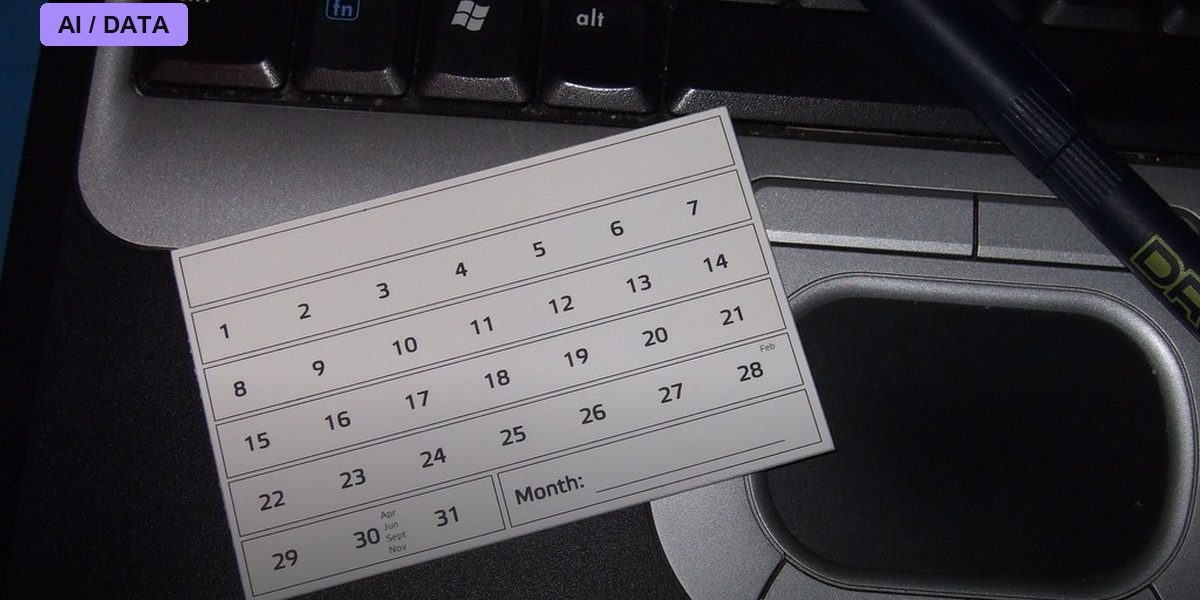
The overstuffed calendar may have finally met its match. AI scheduling assistants now build daily plans, reshuffle tasks on the fly and draft emails automatically, acting like a tireless chief of staff for millions of workers and households. As these tools mature in 2026, they are quietly taking over one of modern life’s most stressful chores: managing time.
The smart calendar
Your schedule now organizes itself. AI planners like Motion automatically build a daily schedule, fitting tasks, deadlines and meetings together so you always know what to work on next. When an unexpected meeting lands, the assistant instantly reshuffles the day — behaving less like a static grid and more like a live, reactive executive assistant.
Effortless meeting booking
Coordination gets easier. AI scheduling assistants automate the back-and-forth of booking meetings, working 24/7 across time zones and languages to find slots, send invites and handle rescheduling. The tedious dance of ‘when works for you?’ is increasingly handled by software, freeing people from a surprising drain on their time.
Email on autopilot
Drafting is delegated. AI email tools generate full messages from simple prompts — ‘reschedule the 3 p.m.,’ ‘follow up on the docs,’ ‘send a billing reminder’ — removing hours of manual writing each week. For anyone juggling clients, teams or projects, that automation reclaims meaningful time and mental energy.
The rise of agents
Assistants are becoming doers. A new generation of AI agents can plan ahead, interact with apps, and take action on a user’s behalf — coordinating schedules, handling shopping and managing household logistics. The shift from answering questions to completing tasks is what turns a chatbot into a genuine personal assistant.
The trade-offs
Convenience has caveats. Handing over your calendar and inbox means trusting AI with sensitive information and decisions, raising privacy and control concerns. Assistants can misjudge priorities or send tone-deaf messages, so oversight remains essential. Used well, they augment judgment; used blindly, they can create new problems.
Why it matters
Time is everyone’s scarcest resource. By automating scheduling, coordination and routine writing, AI assistants free people to focus on meaningful work and life, reducing stress and decision fatigue. It is one of the most practical, broadly useful applications of AI — quietly reshaping the daily rhythm of work and home.
The bottom line
AI scheduling assistants have become a kind of chief of staff, building calendars, reshuffling tasks and drafting emails to run our days more smoothly. The convenience is real and the time savings substantial, tempered by questions of trust and control. As AI agents grow more capable, the humble calendar is becoming one of the clearest windows into how AI is reshaping everyday life.