Betty Murray spent two decades running a functional medicine practice in Dallas focused on women’s midlife health before deciding the bigger problem wasn’t clinical knowledge, it was missing data. Murray, who holds a Ph.D. in nutrition and founded Living Well Dallas Functional Medicine Center in 2005, has now built an AI-powered platform profiled in D CEO Magazine’s September 2026 issue that aims to personalize menopause care while generating the kind of large-scale, real-world dataset women’s health has historically lacked.
A Population That Medicine Has Under-Studied
Roughly a million women in the United States enter menopause every year, yet clinical trial data on how hormonal shifts interact with sleep, mood, metabolism, and cardiovascular risk remains thin compared to research on nearly any other major life-stage transition. Murray has said that no one has systematically collected the kind of longitudinal, real-world data that could tell doctors what actually happens across thousands of women’s midlife years, as opposed to the small, short trials that currently inform most treatment guidelines. Her platform is designed to capture that data passively and through structured symptom tracking, then feed it into models that can flag patterns clinicians might otherwise miss.
How the AI Layer Works in Practice
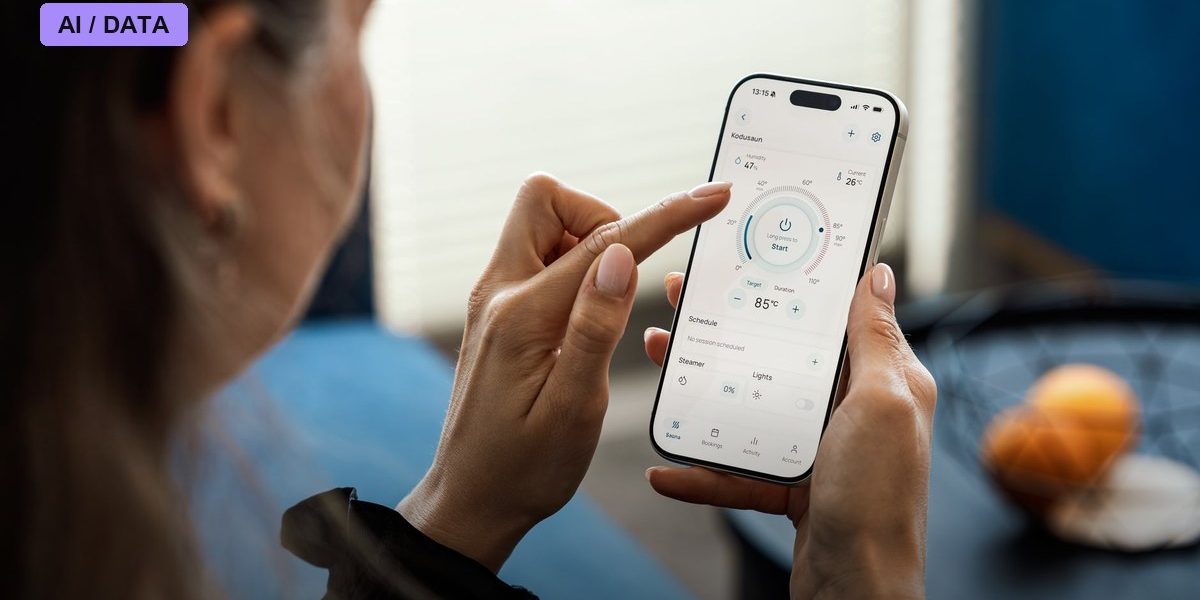
The system pairs a mobile symptom-logging interface with machine learning models trained to correlate reported symptoms, hot flashes, sleep disruption, mood changes, joint pain, with lab values and lifestyle inputs, then generate individualized care recommendations rather than generic guidance pulled from population averages. Murray has framed the underlying bet as a belief that the future of healthcare is personalized, preventive, and proactive, and that it will live primarily on a phone rather than in a once-a-year office visit.
Part of a Broader Femtech Wave
Murray’s venture is not operating alone. Industry trackers covering femtech startups have flagged menopause and midlife women’s health as one of the fastest-growing categories in digital health funding this year, alongside fertility and maternal health platforms. Other ventures, including NIH-backed Amissa, have launched competing AI platforms explicitly targeting what one company described as menopause care’s multibillion-dollar data blind spot, while established players like Naviday Health have built AI-guided coaching tools aimed at the same underserved population.
The Skepticism Around Data-Driven Health Apps
Not everyone is convinced that more data automatically means better care. Some gynecologists and midlife health researchers caution that symptom-tracking apps risk medicalizing a normal biological transition, turning ordinary hot flashes or mood shifts into data points that generate anxiety rather than clarity, particularly if recommendations arrive without adequate clinician oversight. There are also familiar concerns about what happens to sensitive hormonal and reproductive health data once it sits inside a for-profit company’s servers, especially in a climate where menstrual and reproductive data privacy has already become a flashpoint following lawsuits against period-tracking apps. Supporters counter that the alternative, women entering their forties and fifties with essentially no personalized guidance beyond hormone therapy pamphlets written decades ago, is a worse status quo than a well-governed data platform.
Where This Is Headed
Murray’s platform, along with rivals racing into the same space, is betting that aggregated, de-identified symptom and outcomes data will eventually let researchers answer basic questions that remain surprisingly open: which women benefit most from hormone therapy, how diet and exercise interact with menopausal metabolic changes, and which symptom clusters predict later cardiovascular or bone-density risk. If that data materializes at scale over the next several years, it could reshape treatment guidelines that have barely moved since the Women’s Health Initiative study reshaped hormone therapy prescribing more than two decades ago. Whether patients trust a smartphone app enough to hand over years of intimate health data to get there remains the open question the whole femtech sector is still trying to answer. Murray has said she hopes to publish early aggregated findings from the platform’s user base within the next year, a milestone that would let outside researchers begin testing whether the correlations her AI models surface actually hold up under independent scrutiny, rather than remaining a proprietary insight available only to the company’s own subscribers and clinicians.
Photo: HUUM │sauna heaters / PEXELS via Pexels