Norway is preparing what could become the world’s first nationwide restriction on camera-equipped smart glasses, with the government’s Minister of Digitalization and Public Governance, Karianne Tung, confirming the country is drafting regulations aimed squarely at wearables made by companies including Meta and Snap.
What the government is proposing
The proposed rules, reported by outlets including TechCrunch and Technology.org, would explicitly outlaw the use of facial recognition technology on unidentified individuals in public outdoor settings. Tung’s ministry has framed the effort around a broader category she calls “camera-enabled wearables” — not just glasses but headphones, hats and other everyday objects that increasingly combine cameras, microphones and AI processing. Norwegian officials say the devices have already earned a blunt nickname among critics: “pervert glasses,” a reflection of concern that people can be filmed in changing rooms, bathrooms and other private spaces without any visible indication a camera is recording.
How the process will work
Rather than issuing an immediate ban, the government says it will first establish a dedicated expert advisory group tasked with evaluating privacy risks and recommending data-protection standards for wearable devices carrying cameras and microphones. No firm timetable has been set for finalized legislation. In the interim, the ministry has asked both public agencies and private companies to begin drafting their own voluntary guidelines while the formal rules are developed — an approach that mirrors how several European regulators have handled emerging AI hardware, moving cautiously rather than legislating in a vacuum.
The trend driving the concern
Norwegian officials describe a "clear trend toward combining artificial intelligence with cameras and microphones built into glasses, headphones, hats and other objects we use in everyday life," language that echoes warnings from privacy researchers across Europe about the proliferation of always-on recording hardware disguised as ordinary consumer products. Devices like Meta’s Ray-Ban smart glasses, and competing products from Snap, have sold briskly by marketing themselves as everyday eyewear rather than surveillance tools, which is precisely what worries regulators: bystanders typically have no way to tell whether the person across from them is filming.
Industry pushback and skepticism
Wearable makers have generally argued that existing recording indicators — such as an LED light that activates when a camera is filming — already give bystanders adequate notice, and that blanket restrictions could stifle a fast-growing product category built on AI-assisted photography, live translation and hands-free assistance. Critics of that position counter that indicator lights are small, easily obscured, and rarely noticed in practice, especially in crowded public settings. Civil liberties groups in Norway have pushed harder still, arguing that facial recognition paired with a camera worn on the face represents a qualitatively different threat than a smartphone camera, because it can operate continuously and covertly during ordinary social interaction.
A pattern beyond Norway
Norway’s move does not exist in isolation. It arrives amid an unrelated but related controversy in the United States, where Meta faces an amended class-action lawsuit alleging its Ray-Ban smart glasses recorded people without their knowledge and that some of that footage was reviewed by human contractors as part of AI training pipelines — claims Meta disputes. Taken together, the two stories illustrate a widening gap between how quickly camera-AI wearables are reaching consumers and how slowly rules governing them are catching up.
What it means and what comes next
If Norway proceeds, it would set a template other European Union members and the European Commission could look to as they weigh their own wearable-privacy rules, particularly as the bloc’s AI Act obligations continue phasing in through 2026. For manufacturers, the likeliest near-term outcome is pressure to build more visible, harder-to-disable recording indicators and to restrict on-device facial recognition by default rather than as an opt-out feature. For consumers, the debate is a reminder that the privacy calculus of a product often has less to do with what the wearer intends and more to do with what everyone standing near them never consented to.
Retailers that stock camera-glasses and the app developers that build on top of them are also watching Oslo’s next move, since a Norwegian restriction could force product redesigns that ripple into other Nordic and EU markets rather than staying contained to one country of roughly 5.5 million people. Analysts covering the wearables market note that Meta and Snap have both leaned on smart glasses as a bridge to broader AI-hardware ambitions, positioning the devices as everyday companions for real-time translation, visual search and hands-free photography. A patchwork of national rules — strict in Norway, looser elsewhere — would complicate that strategy and could push manufacturers toward a single, more conservative global default rather than maintaining different privacy behavior by country.
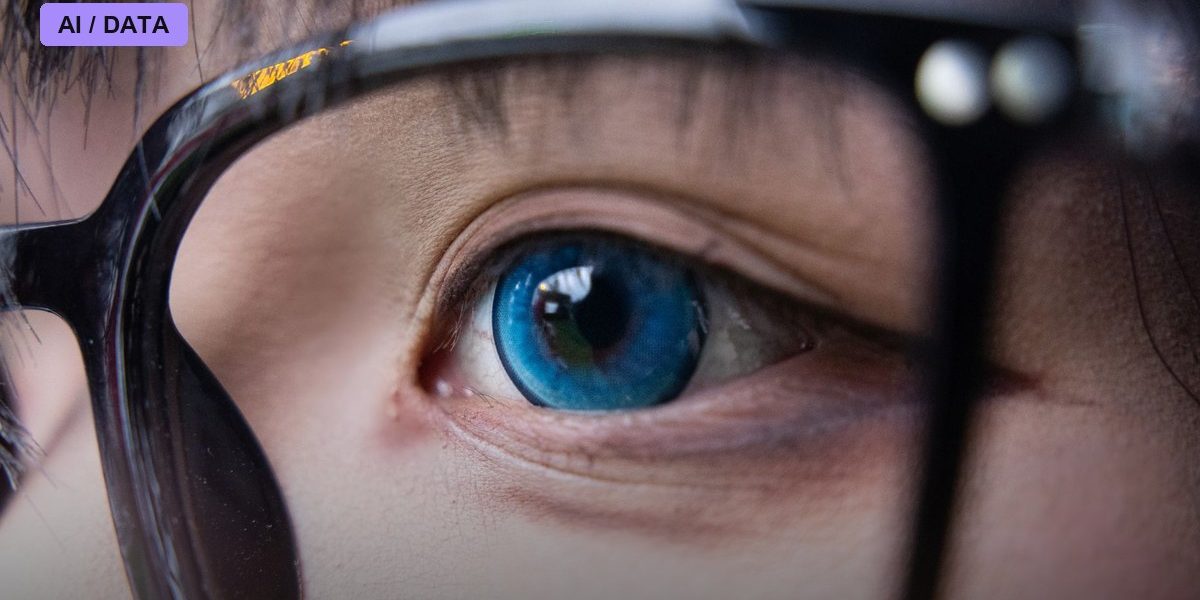
Photo: Quyet Nguyen / PEXELS via Pexels