Medtronic announced on February 13, 2026 that it had received FDA clearance for the Stealth AXiS surgical system, which the company describes as the first platform to integrate surgical planning, real-time navigation and robotics into a single, intelligent system built specifically for spine procedures. The clearance was followed by an expanded FDA authorization in March 2026 covering cranial and ENT applications, broadening the system’s reach beyond its original spine-surgery focus.
What the system combines
Stealth AXiS builds on Medtronic’s existing Mazor robotic platform but folds in AI-based surgical planning and a modular robotic arm alongside navigation hardware that Medtronic has sold separately for years, according to the company’s press release and reporting from MedTech Dive. The goal, per Medtronic, is to replace what has historically been several standalone technologies — a planning workstation, a navigation camera system, and a separate robotic arm — with one integrated platform that a surgical team can use across an entire case.
Real-time tracking without repeat CT scans
One of the system’s more concrete claims involves radiation exposure. Stealth AXiS includes what Medtronic calls real-time segmental tracking technology, which visualizes anatomic motion during surgery as the spine shifts with patient positioning or surgical manipulation. According to Medtronic’s announcement, that continuous tracking is designed to reduce the need for repeated intraoperative CT scans during a procedure — scans that add both time and radiation dose for the patient and surgical staff each time the anatomy needs to be re-registered.
Where it fits against Medtronic’s own product line
The clearance is notable partly because of what it signals about Medtronic’s robotics roadmap. The company has simultaneously been pursuing expanded indications for its Hugo surgical robot — originally cleared for urologic procedures — into general and gynecological surgery, according to MedTech Dive’s reporting on Medtronic’s regulatory filings. Stealth AXiS and Hugo represent two different robotics bets inside the same company: Hugo is a general soft-tissue laparoscopic platform competing most directly with Intuitive Surgical’s da Vinci systems, while Stealth AXiS is a spine- and now cranial-focused navigation-and-robotics system competing in a narrower orthopedic and neurosurgical niche.
Surgeon and hospital reception
Spine surgery has been an early and relatively receptive market for surgical robotics compared with some other specialties, in part because navigation-assisted pedicle screw placement has a long clinical track record and a body of published outcomes data supporting its accuracy benefits over freehand technique. Ortho Spine News and 2 Minute Medicine both characterized the AI-driven planning component as an incremental but meaningful step for surgeons who already use Medtronic navigation, since it layers new capability onto workflows many spine surgeons are already trained on rather than asking them to learn an entirely new system. That said, integrating planning, navigation and robotics into one platform also means a single point of failure if any one component malfunctions mid-case, a concern surgical staff raise with any newly consolidated OR technology stack.
The competitive and cost picture
Consolidated planning-navigation-robotics platforms are expensive capital purchases, and hospitals evaluating Stealth AXiS will be weighing it against standalone navigation systems they may already own, as well as against emerging lower-footprint competitors entering adjacent surgical-robotics niches. Medtronic’s pitch, per its own materials, is that consolidating the technology stack lowers total cost of ownership over time by replacing several separate purchases and service contracts with one platform usable in both hospitals and ambulatory surgery centers.
What’s next
With cranial and ENT clearance now in hand alongside the original spine indication, Medtronic’s next moves will likely involve publishing real-world outcomes data from early hospital adopters and pursuing further indication expansions, following the same pattern it has used with Hugo. For hospital systems, the practical questions are how Stealth AXiS’s radiation-reduction and workflow claims hold up in day-to-day use, and how quickly Medtronic can build a base of trained surgeons large enough to justify the platform’s cost across both spine and its newly cleared cranial and ENT applications. Analysts who track the surgical-robotics sector will also be watching whether Medtronic’s two-track strategy — a general soft-tissue platform in Hugo and a specialty navigation-and-robotics platform in Stealth AXiS — proves more resilient than competitors betting on a single do-everything robot, particularly as hospital systems increasingly ask vendors to demonstrate measurable reductions in operating time, complication rates and radiation exposure before committing to a purchase.
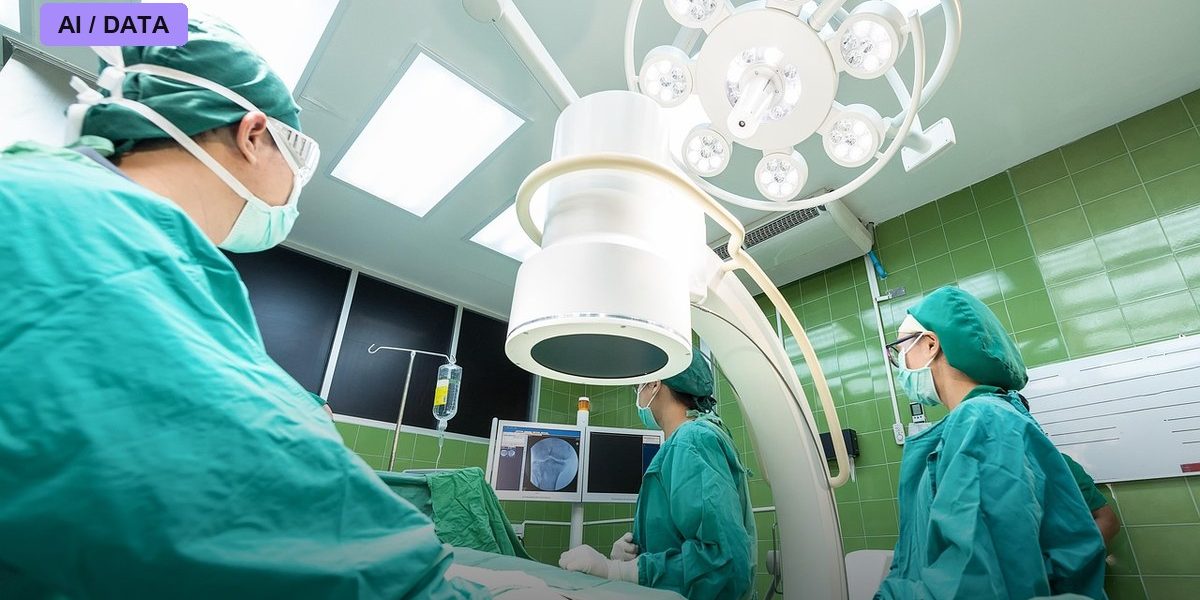
Photo: sasint / PIXABAY via Pixabay