Meta has begun manufacturing its next in-house AI accelerator, code-named Iris, this September, according to an internal company memo. The chip, formally known as MTIA v3 within Meta’s Training and Inference Accelerator program, is designed with partner Broadcom and fabricated on Taiwan Semiconductor Manufacturing Co.’s advanced 3-nanometer process — placing it among the most technically demanding custom chips Meta has attempted to date.
A smooth path through bug testing
According to the internal memo, Iris cleared its bug-testing phase in roughly six weeks without turning up any significant problems, a notably fast and clean validation cycle for a first-generation advanced chip design. That timeline suggests Meta and Broadcom’s engineering collaboration has matured since earlier MTIA generations, which reportedly faced more friction getting from design to reliable silicon. A clean bug-test run also reduces the risk of costly re-spins — redesigns that can push a chip’s production timeline back by months — giving Meta more confidence in hitting its production targets this year.
Part of a four-generation chip roadmap
Iris is one of four planned chip generations under Meta’s custom silicon strategy, aimed at strengthening the AI systems that power recommendation, ranking and generative features across Facebook and Instagram. Meta formalized its expanded partnership with Broadcom earlier this year, agreeing to work together on custom AI chips through 2029 across multiple MTIA generations — a multi-year commitment that underscores how central custom silicon has become to Meta’s AI cost structure, reducing its reliance on Nvidia GPUs for at least a portion of its internal training and inference workloads.
The capacity numbers behind the chip
Meta’s memo tied the Iris rollout to a broader two-step infrastructure expansion: seven gigawatts of AI computing capacity coming online this year, growing to 14 gigawatts by 2027 — effectively doubling Meta’s compute footprint within roughly a year. That buildout sits inside a projected AI infrastructure spending figure as high as $145 billion for the year, among the largest capital commitments any single company has made to AI infrastructure. Custom chips like Iris are central to that spending plan because they let Meta run a meaningful share of its internal AI workloads more cheaply than buying equivalent capacity entirely from Nvidia.
Why custom silicon matters for Meta specifically
Unlike Microsoft, Google and Amazon, which sell cloud compute to outside customers, Meta’s AI chip strategy is aimed almost entirely inward — powering products it already owns, including the Muse AI assistant now integrated across its apps and the recommendation systems underlying Facebook and Instagram’s ad business. That inward focus gives Meta more flexibility to tune Iris specifically for its own workloads rather than needing the general-purpose flexibility cloud providers must offer paying customers, a difference some chip analysts say could let Meta extract more efficiency per chip than hyperscalers building for broader external use.
Supporters see cost discipline, skeptics see execution risk
Backers of Meta’s custom silicon push argue that Iris represents disciplined long-term planning: locking in a multi-year Broadcom-TSMC partnership reduces Meta’s exposure to Nvidia’s pricing and allocation decisions at a moment when GPU demand across the industry far outstrips supply. Skeptics note that a clean six-week bug-testing cycle is an early and limited signal, and that the real test comes once Iris ships at volume into Meta’s data centers — where thermal, power and yield issues sometimes surface only at scale that internal testing can’t fully replicate. Meta has not yet disclosed how large a share of its 14-gigawatt 2027 target it expects Iris-based chips to serve versus continued Nvidia GPU purchases.
What comes next
The key milestone to watch is whether Iris ships at the volume needed to meaningfully contribute to Meta’s targeted doubling of compute capacity by 2027, and whether follow-on generations in the four-chip roadmap arrive on the cadence Meta and Broadcom have planned. With Meta’s AI infrastructure spending already among the highest in the industry, how efficiently Iris performs relative to Nvidia’s GPUs will help determine whether Meta’s custom silicon bet meaningfully lowers its AI cost structure or remains a supplementary piece alongside continued heavy Nvidia purchases, a distinction that could shape how much leverage Meta has in future GPU pricing negotiations.
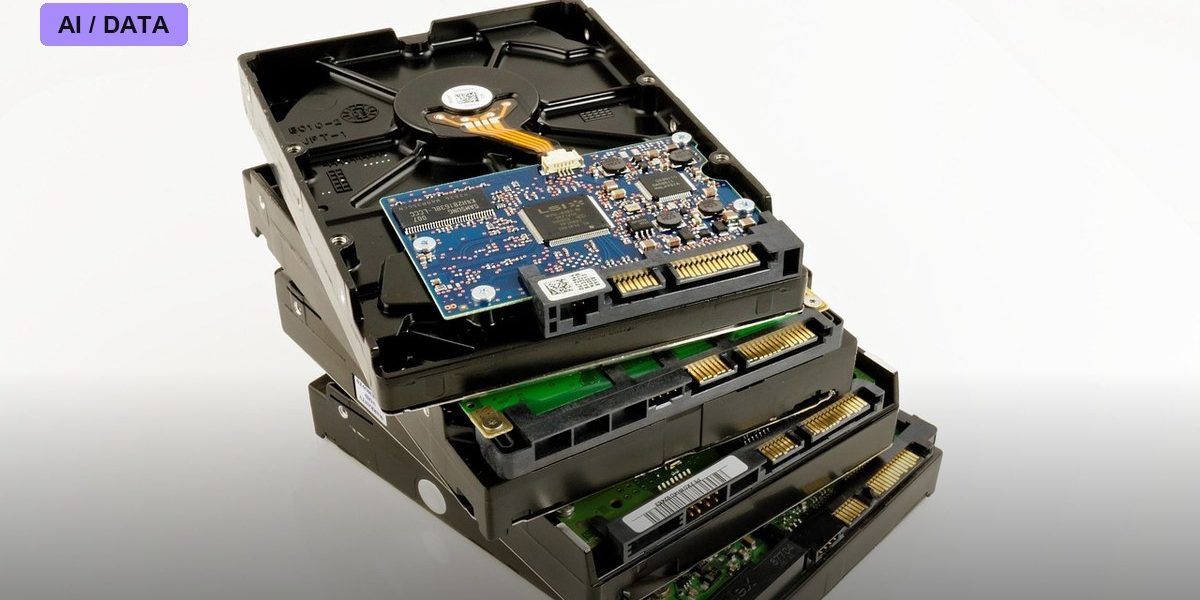
Photo: Bru-nO / PIXABAY via Pixabay