Cerebras Systems, the AI chipmaker known for building the largest single computer chips in the industry, announced a new data center partnership with Compute Nordic Finland this week, committing to a facility in Mikkeli that will scale to 165 megawatts of contracted IT capacity. Construction on the initial 50-megawatt phase is already under way, giving Cerebras dedicated, purpose-built infrastructure in a region increasingly courted by AI companies for its cool climate and available power.
A phased build tied to long-term contracts
The agreement is structured through a series of service orders, each carrying a seven-year contract term, rather than a single lump-sum deal. Capacity will scale in stages: from an initial 50 megawatts up to 80 megawatts, and eventually to the full 165-megawatt build-out as the data center’s construction phases are completed. That phased structure lets Cerebras add compute in step with customer demand rather than committing to the full facility upfront, while still locking in long-term access to power and space in a market where both have grown scarce.
What the buildout means for Mikkeli
At full 165-megawatt scale, the project represents an estimated regional investment of between €1.0 billion and €1.7 billion, according to figures released alongside the announcement. Local officials and Compute Nordic Finland have pointed to projected job creation of between 80 and 250 direct permanent positions, along with an estimated €0.8 million to €2.5 million per year in property tax revenue for the Mikkeli region. For a mid-sized Finnish municipality, that scale of investment and recurring tax revenue represents a significant economic anchor, and mirrors a pattern seen elsewhere in the Nordics as AI infrastructure spending increasingly targets regions with cold climates that reduce cooling costs and renewable-heavy power grids.
Cerebras’ pitch: purpose-built infrastructure for its own chips
Unlike hyperscalers that build generic data centers designed to run a wide mix of hardware, Cerebras has framed the Mikkeli facility as infrastructure purpose-built to support its wafer-scale AI compute platform — the company’s signature technology, which uses chips roughly the size of an entire silicon wafer rather than the small dies used by rivals like Nvidia. That specialization requires data centers engineered around Cerebras’ specific power density and cooling needs, which the company says it worked directly with Compute Nordic Finland to design.
Part of a broader Nordic AI infrastructure push
Cerebras’ Mikkeli announcement lands amid a wave of AI data center activity across the Nordics and Europe more broadly this month, including new agreements covering data centers in Turkey and Brazil from other providers. It also comes as the U.S. data center construction market, valued at nearly $84 billion in 2025, is projected to more than double to over $150 billion by 2031, driven largely by AI training and inference demand — a growth rate straining supply chains for power transformers and substations, which industry trackers estimate face shortages of roughly 15% and 8%, respectively, this year.
Supporters cite diversification, skeptics cite power constraints
Supporters of the Mikkeli deal argue it demonstrates that AI compute buildouts no longer have to concentrate exclusively in traditional hubs like Virginia or Silicon Valley, and that Nordic countries’ renewable-heavy grids and naturally cool climates make them attractive, lower-carbon alternatives for energy-intensive AI infrastructure. Skeptics note that even resource-rich regions like Finland face real grid capacity limits, and that a phased build stretching from 50 to 165 megawatts over multiple years assumes steady access to power and construction resources that isn’t guaranteed given how many AI infrastructure projects are competing for the same regional grid capacity and skilled labor pool.
What to watch next
The near-term milestone will be completion of the initial 50-megawatt phase and whether Cerebras’ compute demand justifies moving quickly to the 80-megawatt stage. Longer term, the Mikkeli facility will serve as a test case for whether Nordic markets can absorb a growing share of the world’s AI compute buildout without running into the same power and grid bottlenecks now emerging in more established U.S. data center corridors, a question with direct implications for where the next wave of AI infrastructure investment ultimately lands.
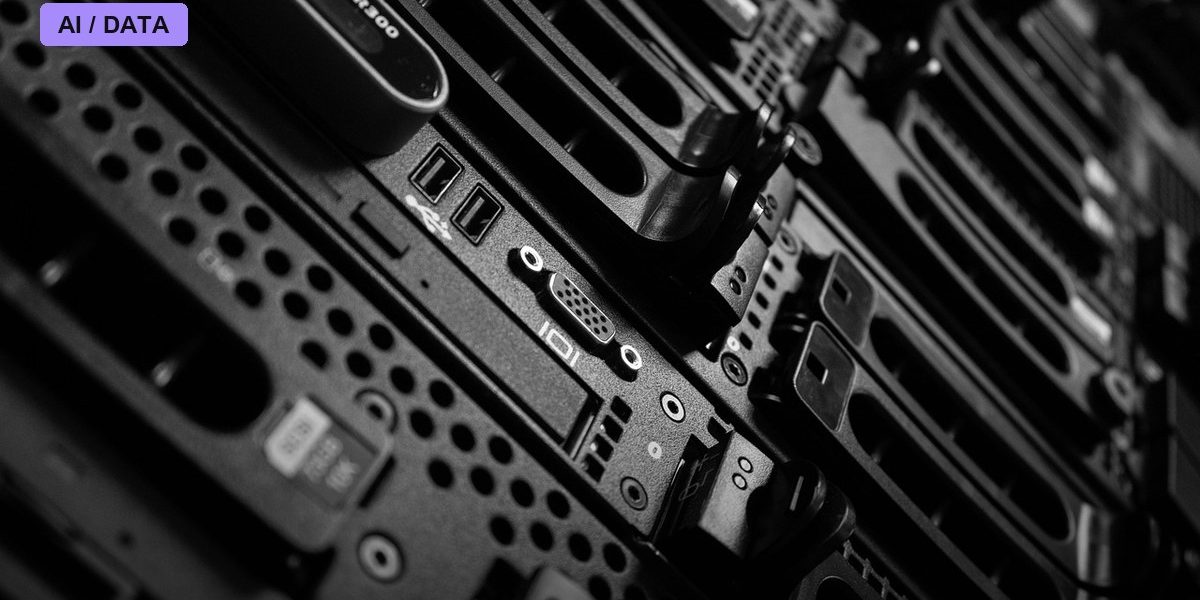
Photo: tstokes / PIXABAY via Pixabay