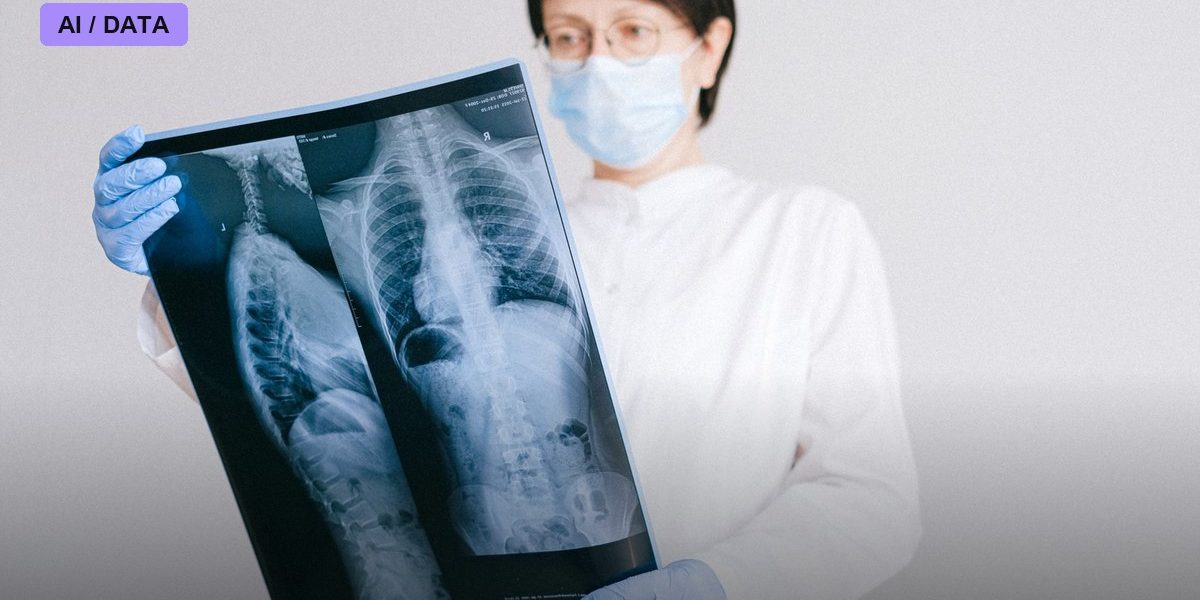
Aidoc, a clinical AI company that already sells FDA-cleared software to flag urgent findings on medical scans, has won Breakthrough Device Designation from the FDA for a new product called First Read, an AI system designed to analyze chest radiographs and generate a preliminary radiology report before a radiologist looks at the image. The designation, reported by Imaging Technology News, fast-tracks the FDA’s review process and signals the agency sees potential to address an unmet clinical need: a growing shortage of radiologists relative to the volume of imaging studies hospitals now perform.
From flagging emergencies to writing the report
Aidoc built its business on triage tools that scan images like CT scans for signs of stroke, pulmonary embolism or intracranial hemorrhage and alert care teams to review the most urgent cases first, technology now used in more than a thousand hospitals worldwide by the company’s own account. First Read represents a meaningfully different task: rather than simply flagging an abnormality, the AI drafts a structured preliminary report describing findings across a chest X-ray, the most common imaging study performed in hospitals and outpatient clinics. Radiologists would then review, edit and sign off on the AI-generated draft rather than starting from a blank page, a workflow closer to how ambient AI scribes now assist physicians with clinical notes.
Why chest X-rays are the starting point
Chest radiographs are ubiquitous — U.S. hospitals and clinics perform tens of millions annually — but are also among the most time-consuming studies for radiologists to interpret in high volume because findings can be subtle and easy to miss during a long shift. Radiology has faced a well-documented workforce shortage in the U.S., with the American College of Radiology and workforce studies citing burnout and an aging radiologist population as compounding factors. AI tools that reduce the time radiologists spend on routine dictation, rather than replacing their diagnostic judgment, have become one of the more commercially viable AI applications in medicine precisely because they address this capacity problem without asking regulators or clinicians to trust an AI’s diagnosis outright.
What Breakthrough Device Designation actually means
The FDA’s Breakthrough Device program does not itself authorize a product for sale; it grants companies more frequent interaction with FDA staff during development and a review process intended to move faster than the standard premarket pathway once a formal submission is filed. Aidoc will still need to complete and submit clinical validation data supporting First Read’s accuracy before the product can be marketed. The designation nonetheless signals that FDA reviewers see enough potential benefit — and, implicitly, no obvious safety red flags in early data — to justify prioritizing the product’s review.
The regulatory backdrop makes this notable
The timing matters because the FDA has recently taken a stricter line on AI radiology software more broadly. Just weeks before Aidoc’s designation was reported, the agency issued a final order denying a petition from another AI vendor, Harrison.ai, that sought to exempt certain radiology computer-aided detection and triage software from full 510(k) premarket review. That decision reinforced that FDA still expects formal clearance for AI tools that touch diagnostic interpretation, even as it simultaneously fast-tracks products like First Read that show strong early promise — a sign the agency is trying to distinguish between AI tools it considers well-validated and those it believes need more scrutiny before reaching patients.
Doctors remain divided on report-drafting AI
Radiologists themselves are not uniformly enthusiastic. Some worry that AI-drafted reports could introduce a new failure mode: rather than missing findings outright, a physician reviewing a plausible-sounding AI draft might anchor on its conclusions and be less likely to catch an error than if they were reading the image cold, a phenomenon sometimes called automation bias in human-factors research. Proponents, including radiology department leaders who have piloted similar ambient documentation tools, argue the alternative — increasingly rushed manual dictation under mounting caseloads — carries its own well-documented error risk, and that a carefully validated draft-and-review workflow, similar to how ambient AI scribes are now used in outpatient medicine, could reduce fatigue-driven mistakes rather than introduce new ones.
What’s next
Aidoc has not disclosed a target date for full FDA clearance or commercial launch of First Read, and the product will need to clear the same clinical validation bar the agency has just reaffirmed for other radiology AI tools. If cleared, First Read would join a rapidly growing list of FDA-authorized radiology AI products — more than 1,500 as of early 2026 by FDA’s own device database — but would be among the first aimed squarely at automating report generation rather than detection alone, a distinction that will likely shape how quickly hospitals are willing to adopt it into daily practice.
Photo: Anna Shvets / PEXELS via Pexels