Most nutrition apps still ask people to log calories and hope for the best. Google and Singapore-based microbiome company AMILI are trying something considerably more invasive: an eight-week program that asks users to photograph every meal, wear a continuous glucose monitor, and mail in fecal samples, all so an AI system can figure out what actually happens inside a specific person’s gut when they eat.
An App Built on Stool Samples, Not Just Food Photos
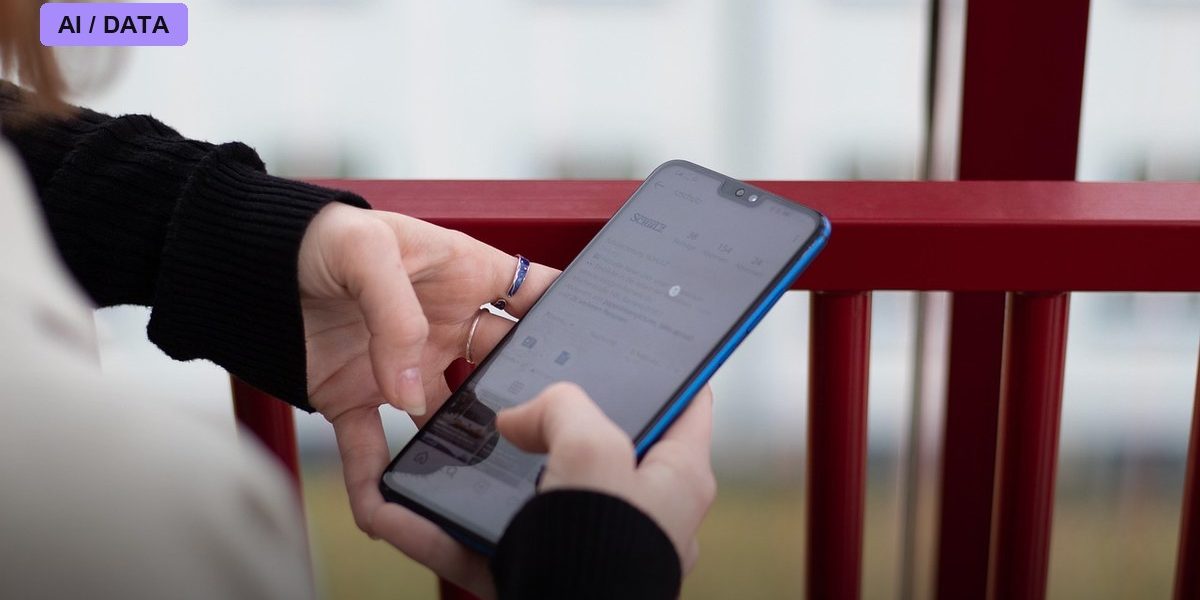
The partnership, announced at the Google for Singapore event on February 10, 2026, centers on an app called AMILI Optimise, which launched at the end of April 2026. The eight-week program asks participants to photograph their daily meals, wear a CGM to track blood glucose response, submit fecal samples for microbiome sequencing, and answer regular questionnaires about mood and energy. Google’s AI is layered on top of AMILI’s gut-microbiome databank to generate personalized nutrition recommendations based on how an individual’s gut bacteria and blood sugar actually respond to the foods they eat, rather than generic calorie or macro targets.
Why Nutrition Apps Are Chasing the Gut
AMILI co-founder and chief executive Dr. Jeremy Lim has argued that most health-tech companies have avoided nutrition precisely because it is harder to solve than fitness or sleep tracking. “Most organizations shy away from nutrition because it is more difficult to tackle,” Lim said, describing why the sector has lagged behind wearables and step-counting apps despite diet’s outsized role in chronic disease. Lim has also pushed back on the assumption that genetics drives most individual variation in how people respond to food, saying “the much larger component comes from the gut microbiome” rather than DNA. That premise, that the trillions of bacteria in a person’s digestive tract shape how they metabolize food far more than their genome does, is the scientific bet underlying the entire product.
The Business Model Behind the Science
AMILI Optimise is not free. The standard price for the eight-week program is listed at SGD $750, or roughly US $584, with a launch promotion bringing it down to SGD $400, about US $312. Google’s role focuses on the AI layer that turns AMILI’s microbiome and glucose data into actionable guidance, while a planned second phase will extend the app into restaurant and meal recommendations tied to Google Maps, effectively turning the health data into a lifestyle and commerce layer as well. Beyond dietary advice, the app is expected to recommend supplements, including AMILI’s own probiotic line, and to suggest activity changes aligned with a user’s health goals. AMILI Optimise enters a nutrition-app market that industry analysts estimate is growing from roughly $14.06 billion in 2025 to $16.91 billion in 2026, driven largely by AI-personalization features that go beyond calorie counting to factor in sleep quality, stress, menstrual cycle phase, and now microbiome composition. Most competing apps rely on self-reported food logs and, at most, a wearable’s activity and sleep data. Few ask users to submit biological samples, which is both AMILI’s differentiator and its biggest adoption hurdle: a stool sample and a CGM are a much bigger ask than downloading an app and snapping a photo of a sandwich.
Believers See a Long-Overdue Shift From Calories to Biology
Supporters of the microbiome-first approach argue that decades of one-size-fits-all dietary advice, count calories, avoid fat, eat more fiber, have failed to meaningfully bend obesity and metabolic disease trends, and that personalized biological data is the only way to move past generic guidelines. Google’s involvement lends the effort computational firepower and reach that a standalone microbiome startup could never muster on its own, potentially giving personalized nutrition the same mainstream jolt that AI coaching gave to fitness wearables in recent years.
Skeptics Question Cost, Compliance, and Evidence
Critics counter that an eight-week program requiring meal photography, a worn medical device, and lab-processed stool samples is a heavy lift that will likely limit the program to a wealthy, highly motivated subset of users, undermining its usefulness as a public health tool. There are also open scientific questions about how durable and actionable microbiome-based recommendations really are compared with established, cheaper interventions like structured calorie tracking or registered dietitian counseling. And handing a tech giant granular data about gut bacteria, glucose spikes, and mood alongside every meal a person eats raises the same category of privacy questions already dogging other health-AI products, questions that regulators and plaintiffs’ attorneys have shown they are willing to litigate aggressively this year.
What Happens if Phase Two Delivers
The real test for AMILI Optimise comes with its second phase, which is expected to connect personalized nutrition recommendations directly to real-world restaurant and grocery choices through Google Maps integration. If that layer works, it would move personalized nutrition out of the realm of an eight-week research-style program and into daily decision-making, the moment someone is choosing where to eat lunch, rather than a lab report reviewed once. Whether users are willing to keep wearing a CGM and submitting samples past the initial eight weeks, and whether the underlying microbiome science holds up to broader scrutiny, will determine if this becomes a template other nutrition apps race to copy or a costly experiment that stays niche.
Photo: dmncwndrlch / PIXABAY via Pixabay