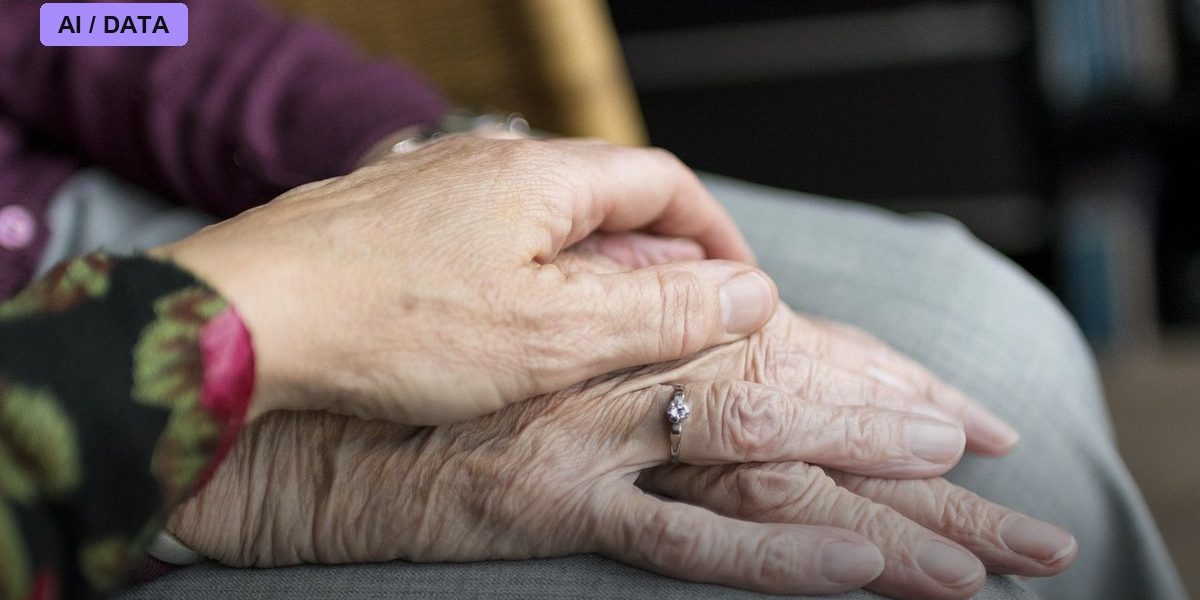
Hyodol looks like a plush, oversized doll a grandchild might have outgrown years ago. Inside it runs a ChatGPT-based conversational engine that talks with elderly users, reminds them to take medication, and quietly alerts a social worker or family member if something seems wrong. The South Korean company behind it has deployed roughly 12,000 units to seniors living alone across the country since 2019, and after a 2023 pilot at a New York care facility, it is now targeting a full United States market entry in 2026, having registered the device with the FDA in late 2024 and adapted its language model to English, Chinese, and Japanese.
The problem Hyodol is built to solve
South Korea has one of the fastest-aging populations on earth, and a large and growing share of its elderly live alone, disconnected from the kind of daily human contact that catches small health problems before they become emergencies. Hyodol’s doll form factor is deliberate: it presents as a companion rather than a medical device, speaking in the voice and manner of a young grandchild, which the company argues lowers the resistance many older adults feel toward wearables, cameras, or anything that reads as surveillance technology. Sensors built into the doll detect touch and motion, and the system escalates automatically, sending alerts to a caregiver or social worker, when patterns suggest a fall, a missed routine, or prolonged inactivity.
Why now, and why the US
The eldercare robotics market was valued at roughly $3.14 billion in 2025 and is growing at about 12.5 percent annually, driven by the same forces reshaping Hyodol’s home market: an aging population and a caregiver shortage that shows no sign of easing. Competing products already operating in the US illustrate the range of approaches, from ElliQ, made by Israeli company Intuition Robotics and deployed in apartments across New York City to hold open-ended conversations and proactively check in on isolated seniors, to more overtly medical ambient-sensing systems that use WiFi and Matter 2.0 smart-home protocols to detect falls and monitor sleep patterns without requiring a wearable device at all. Hyodol is positioning itself in between: warmer and more companion-like than a sensor network, but with the same underlying safety-net function.
What the technology actually does
The AI layer is doing two jobs at once. Conversationally, it uses generative AI, speech-to-text and text-to-speech, to hold free-flowing conversations that keep isolated seniors engaged rather than delivering scripted prompts. Functionally, it layers in medication reminders and passive monitoring, so the same interaction that combats loneliness is also the mechanism generating the data an emergency alert depends on. For users with early to moderate dementia in particular, technology researchers argue voice-based systems that don’t require remembering how to operate an app or press a button are more usable than screen-based alternatives, since the interaction itself, talking to something that talks back, requires no learned skill.
The privacy and dependency concerns
Critics of companion-robot deployments, including researchers who have studied Hyodol’s rollout in Korea, have raised two distinct worries. One is straightforwardly about data: a device that listens continuously and reports behavioral patterns to third parties is collecting sensitive information about a vulnerable population, and consent in cases involving cognitive decline is murkier than standard consumer privacy frameworks assume. The other is more philosophical, the concern that a conversational doll substituting for human contact could reduce family or social-worker visits rather than supplement them, effectively institutionalizing isolation instead of solving it. Advocates counter that the alternative for many isolated seniors is not more human contact, it’s none at all, and that a monitored, engaged senior with a companion device is measurably better off than one with neither.
The regulatory hurdle ahead
Hyodol’s FDA registration in late 2024 was a necessary step toward US market entry, but registration is not the same as clearance for a diagnostic or therapeutic claim, and the company has been careful to market the doll as a companionship and safety-monitoring product rather than a medical device making clinical claims. That positioning likely eases its regulatory path in the US relative to a device claiming to detect or treat a health condition directly, but it also means Hyodol’s emergency-alert function operates in a lighter-touch regulatory lane than, for example, an FDA-cleared fall-detection medical device would.
What’s next
If Hyodol’s 2026 US debut succeeds, it will test whether a companionship-first, monitoring-second design travels better across cultures than the more overtly clinical ambient-sensing and wearable products already established in American senior living and home-care markets. The bigger question the industry is watching is adoption by adult children and caregivers, who are typically the ones purchasing these devices on behalf of an aging parent, and whether they view a ChatGPT-powered doll as a genuine safety tool or as an awkward stand-in for a visit they wish they had time to make themselves.
Photo: sabinevanerp / PIXABAY via Pixabay