OSF HealthCare, the Peoria, Illinois-based health system, announced on September 7, 2026 that it is expanding its use of artificial intelligence to assess stroke patients across its entire hospital network, including rural facilities that previously lacked rapid access to specialist-level imaging review. The technology, known as Rapid AI, has been used at OSF St. Francis Medical Center in Peoria since 2018 and at OSF St. Anthony Medical Center in Rockford, and is now being rolled out to OSF St. Joseph Medical Center in Bloomington and smaller rural hospitals throughout the OSF system. Dr. Arun Talkad, OSF’s stroke care director, said the goal is straightforward: ‘Every community we serve should benefit from the same advanced technology.’
What Rapid AI Does
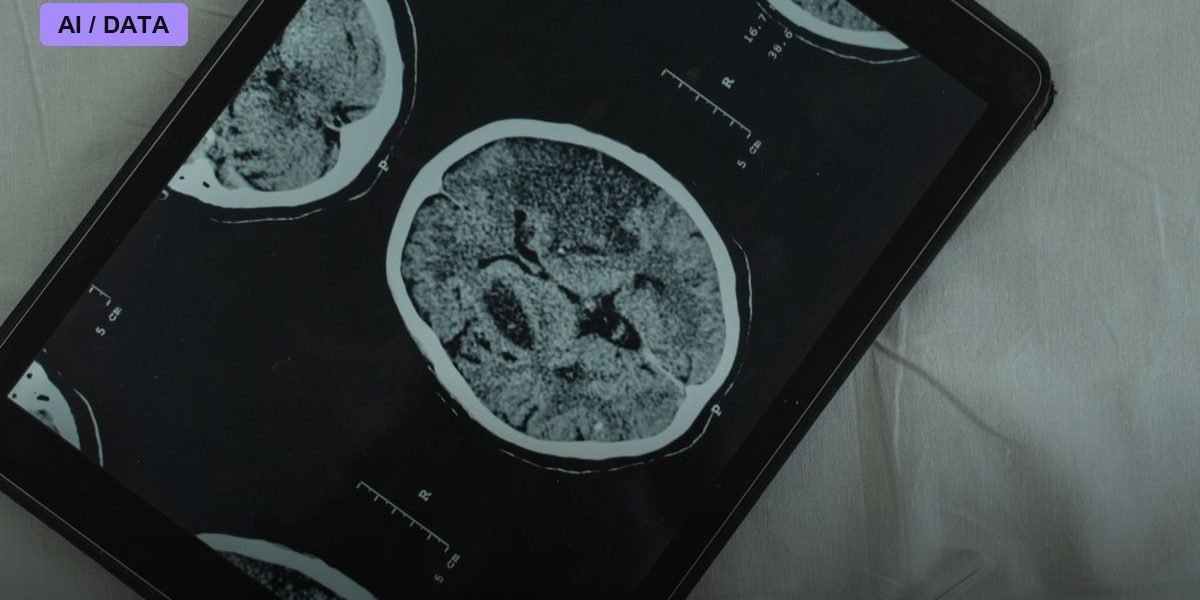
Rapid AI is FDA-cleared software, originally cleared in 2014, that analyzes CT and MRI brain scans in seconds to identify signs of stroke, including blocked blood vessels and areas of brain tissue at risk. The system flags large vessel occlusions and hemorrhages, then pushes annotated, high-resolution images directly to a neurologist’s smartphone, allowing a specialist hundreds of miles away to review a scan and recommend treatment within minutes rather than waiting for a radiologist or transferring images through slower hospital IT systems. OSF says the software has demonstrated greater than 95% accuracy in detecting the most dangerous types of strokes, and in some cases catches details that are difficult for the human eye to spot on a first pass.
Why Speed Matters So Much
Stroke treatment is famously time-sensitive. OSF clinicians cite the widely used clinical estimate that a stroke destroys roughly 1.9 million brain cells every minute it goes untreated. Ischemic strokes, which involve a blood clot blocking blood flow to the brain, make up an estimated 85% to 87% of all strokes and are typically treated with clot-dissolving drugs or mechanical clot retrieval within a narrow 3- to 4.5-hour window from symptom onset. Hemorrhagic strokes, or brain bleeds, are less common but carry a higher mortality rate and require different, faster interventions. By shrinking the time between a scan being taken and a specialist’s decision, Rapid AI is designed to extend the effective treatment window for patients, particularly those in rural areas who would otherwise face long ambulance transfers to reach a comprehensive stroke center.
Scale of Deployment Across the Network
OSF St. Francis Medical Center alone treated more than 1,000 stroke patients in the past year, and the broader OSF HealthCare system handles roughly 2,000 stroke cases annually across its hospitals in Illinois and Michigan. Nationally, Rapid AI’s parent company reports its software processes approximately 800,000 stroke-related scans every year in the United States, giving it an estimated 70% share of the AI stroke-imaging market. Other Illinois hospitals, including Carle BroMenn Medical Center in Bloomington-Normal, adopted the same platform years earlier, in 2020, underscoring how widespread the technology has already become in the state’s stroke-care infrastructure even as OSF’s latest expansion pushes it further into smaller, rural facilities.
The Case for AI-Assisted Rural Stroke Care
Proponents inside OSF argue that AI imaging tools are one of the few realistic ways to close the gap between rural and urban stroke outcomes. Rural hospitals often lack an on-site neurologist around the clock, meaning a patient’s scan historically had to wait for a specialist to become available or be physically transferred to a larger facility, losing critical minutes. With Rapid AI pushing processed images straight to a specialist’s phone, a neurologist based in Peoria or Rockford can review a scan from a rural emergency room in real time and authorize treatment or arrange transfer immediately. Dr. Talkad’s comment about equitable access reflects a broader industry argument that AI triage tools function less as a replacement for clinicians and more as a force multiplier, extending scarce specialist expertise across geographically dispersed hospital systems.
Questions Clinicians Still Raise
Not everyone in stroke medicine treats AI imaging software as a settled matter, however. Some neurologists and health-system administrators caution that tools like Rapid AI are decision-support aids, not autonomous diagnosticians, and that over-reliance on automated flagging could create blind spots if frontline staff defer too heavily to the software’s output rather than independently examining scans. There is also the recurring question of cost and maintenance: rural hospitals adopting AI imaging platforms typically need reliable high-speed connectivity, staff training, and ongoing software licensing, all of which can strain smaller facilities’ budgets even when the core technology itself is proven. Broader research on AI-assisted stroke diagnosis, including a multinational study published this same month, found that AI support measurably improved diagnostic accuracy compared with unaided assessments, but researchers involved in that work emphasized that AI tools performed best when paired with, rather than substituted for, trained clinical judgment.
What Comes Next
OSF HealthCare says it plans to continue extending Rapid AI access to additional rural and community hospitals within its network in the coming months, with the long-term aim of ensuring that any patient presenting with stroke symptoms anywhere in the OSF system gets the same speed of specialist-level image review as someone walking into a flagship hospital in Peoria. As AI-based stroke triage tools approach near-universal deployment across large hospital systems nationally, the next phase of scrutiny is likely to focus less on whether the software can detect strokes accurately and more on how consistently it translates into faster treatment, fewer transfers, and better long-term outcomes for patients in the most underserved corners of hospital networks.
Photo: Tima Miroshnichenko / PEXELS via Pexels