An AI mental health app that once counted more than three million users and touted Stanford-backed research behind its chatbot is about to disappear. Youper, founded in 2016 by psychiatrist Dr. Jose Hamilton Vargas alongside Diego Dotta and Thiago Marafon, announced it is winding down its business, with the app set to stop working entirely on September 30, 2026. Users have until that date to export their chat histories and check-in records through the app’s settings menu or a dedicated export portal; everything left on the servers after October 1 will be permanently deleted, and the app has already been pulled from the App Store and Google Play.
A pioneer of the AI chatbot therapy category
Youper was among the earlier entrants in the AI-driven emotional health space, launching years before large language models made conversational AI feel natural, and building its own chatbot to walk users through cognitive behavioral therapy-style exercises, mood tracking and daily check-ins. The company said more than 80% of users reported that the app helped them manage their mental health, and it pointed to Stanford-affiliated research as validation of its approach. That track record made Youper a frequently cited example in lists of legitimate AI mental health tools, distinguishing it from the wave of unvetted companion chatbots that regulators have scrutinized more recently.
The money simply wasn’t there
What ultimately killed Youper wasn’t a lack of users or a discredited product, according to reporting on the shutdown, but a shortage of capital. The company raised roughly $3.5 to $5 million total, with its primary infusion coming from a single seed round led by Goodwater Capital back in 2019. No significant follow-on funding materialized in the years since, even as the company’s user base grew into the millions and competition in the AI therapy space intensified. That stands in stark contrast to rivals like Ash, a newer AI mental health company that has raised roughly $93 million and remains operational, illustrating how uneven capital access has become in a category where investor enthusiasm has increasingly concentrated around a handful of well-funded newcomers rather than earlier pioneers.
Part of a pattern, not an isolated failure
Youper’s closure follows a similar trajectory to Woebot Health, one of the most prominent names in AI mental health, which shut down its own direct-to-consumer app in 2025 and now operates only through employer and health-system partnerships. Woebot’s founder cited the cost of meeting FDA regulatory requirements combined with the sudden arrival of general-purpose large language models as factors that undercut its earlier, more narrowly scripted chatbot approach. Together, the two shutdowns point to a shakeout underway in AI mental health apps: more than 10,000 apps now claim some AI mental health functionality, up from fewer than 1,000 just five years ago, according to industry tracking, but only a small fraction, cited at around 16% of AI chatbot mental health studies, have undergone real clinical efficacy testing. In that crowded and thinly validated field, sustained funding rather than product quality alone appears to be deciding which companies survive.
What users are losing and what comes next for them
For the millions of people who used Youper to log moods, work through anxious thoughts, or simply check in with an AI presence during a hard stretch, the shutdown means losing not just a tool but years of personal data unless they act before the deadline. The company has warned that users inactive for more than 12 months may already have had their data automatically deleted under its retention policy, meaning there may be nothing left to export for lapsed users. In its farewell message to remaining users, the company wrote: “Millions of conversations happened here because you trusted us with something deeply personal,” acknowledging the emotional weight of the closure even as it directed people toward alternative apps like Wysa, Woebot’s enterprise offering, Earkick and Headspace Ebb.
A cautionary tale for an industry chasing scale
Youper’s exit lands at an awkward moment for the broader AI mental health sector, which is simultaneously expanding into new frontiers like FDA breakthrough device designations and chronic-care partnerships with wearable makers, while its earlier consumer-facing pioneers quietly fold. It raises an uncomfortable question for anyone who has built a routine around an AI mental health app: if a company with three million users, credible research backing and a decade of operating history can run out of runway and vanish with a month’s notice, users may need to treat these tools with the same caution about business continuity that they’d apply to any other startup service holding sensitive personal data, rather than assuming scale alone guarantees permanence.
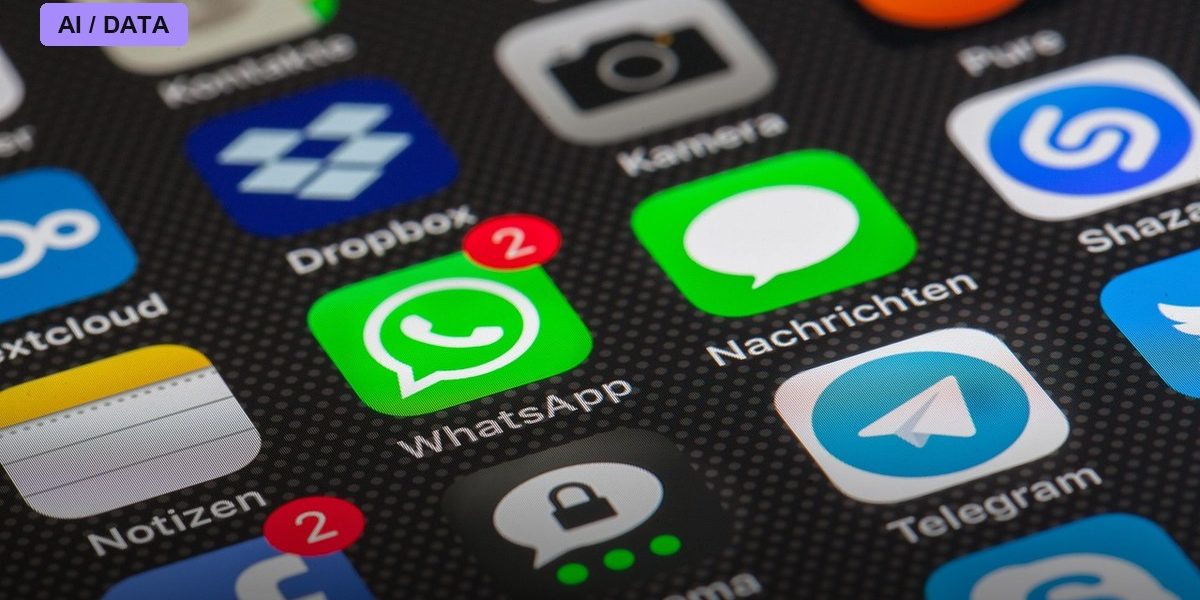
Photo: LoboStudioHamburg / PIXABAY via Pixabay