James Park and Eric Friedman, the co-founders who built Fitbit before selling it to Google in 2019, unveiled a new wearable on August 25, 2026 called Luffu Link, marking their return to the health-wearable market with a device aimed not at athletes but at families caring for aging parents. The launch was reported by TechCrunch, Axios, and Yanko Design, among other outlets, and the product is now available for preorder at $249.99, with a retail price of $299.99 once shipping begins in the U.S. in early 2027.
Born From Personal Caregiving Experience
According to Axios’s reporting, Luffu grew directly out of Park and Friedman’s own experiences caring for aging parents, a problem the pair encountered after leaving Fitbit and one that neither the fitness-tracker category they helped create nor traditional medical-alert buttons has solved well. Rather than building another screen-based fitness tracker, the founders designed Luffu Link as a screenless, jewelry-inspired band — available in Halo Gold, Onyx Black, and Sterling Blue finishes — that deliberately avoids the visual language of conventional wearables to make it more comfortable for older users to wear daily.
What the Device Actually Tracks
Luffu Link tracks activity, sleep, and heart rate like a standard fitness band, but its distinguishing feature is voice-based logging: wearers can record symptoms, medications, meals, and mood by speaking into the device, which uses AI to structure that unstructured voice data into a shareable health record for family members. A double-press of the band can send an instant check-in to selected family contacts, while the wearer can also actively request help. Because the band has its own built-in LTE connection, none of these functions depend on a paired smartphone being nearby, addressing a common failure mode of medical-alert systems that rely on a phone or base station within range.
A Bet That Physical and Mental Health Data Belong Together
Unlike most medical-alert devices, which focus narrowly on fall detection and emergency buttons, Luffu Link explicitly folds mood tracking into its data set alongside physical vitals — reflecting a broader trend of wearable makers treating mental and physical wellbeing as a single continuous signal rather than separate products. The founders have pointed to research on caregiver burden showing that family members providing unpaid care to aging relatives often have no reliable way to know day-to-day how a parent is doing emotionally, not just physically, until a crisis such as a fall or hospitalization forces the issue.
The Subscription Model Behind the Hardware
Luffu Link requires a separate Luffu Family Plan starting at $19.99 per month for up to four family members, which includes the LTE service bundled in rather than requiring users to add the device to an existing carrier plan — a structure similar to Apple Watch’s cellular plans but bundled at the family level rather than per device. The company says the band lasts up to five days on a single charge, longer than most smartwatches, a design choice aimed at reducing the caregiving burden of remembering to charge a device for an older relative who may not reliably do so themselves.
Skepticism and Open Questions
Industry observers covering the launch have noted that the caregiving-wearable category has a mixed track record: prior products such as Life Alert-style medical buttons suffer from low adoption because wearers find them stigmatizing, while smartwatch-based fall detection from Apple and Samsung has struggled with false alarms. Whether older adults will accept a new AI-driven band that records their voice and mood data, and whether family members will pay an ongoing subscription on top of the hardware cost, remains untested at scale — Luffu has not yet published data on accuracy for its voice-based symptom and mood logging, and reviewers who previewed the device noted the AI structuring of voice notes has not undergone independent clinical validation.
What’s Next
With preorders open now and shipping targeted for early 2027, Luffu’s near-term challenge is proving out its voice-AI logging and check-in features at scale before wider release, while competing against established medical-alert companies and increasingly capable general-purpose smartwatches from Apple, Google, and Samsung that are adding their own fall-detection and health-alert features. For Park and Friedman, the venture is a chance to apply lessons from a decade of consumer wearable manufacturing to an underserved caregiving market that, as the U.S. population ages, is likely to keep growing regardless of how the product itself fares.
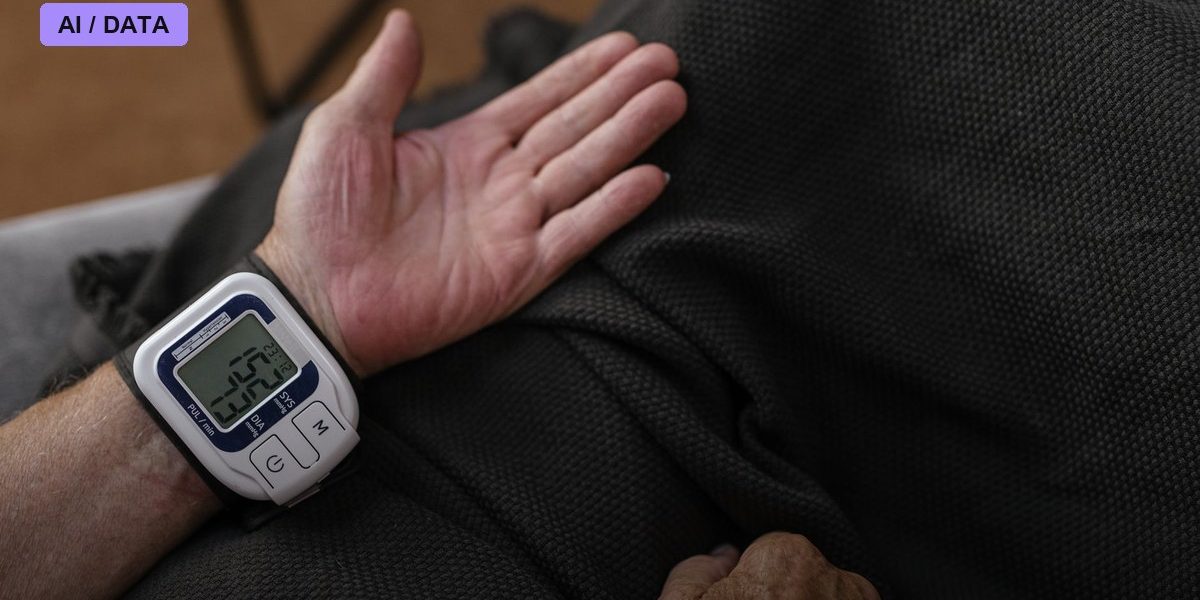
Photo: SHVETS production / PEXELS via Pexels