Novo Nordisk, the Danish pharmaceutical giant behind blockbuster GLP-1 drugs Ozempic and Wegovy, announced on September 16, 2026, that it is teaming up with Anthropic to weave artificial intelligence more deeply into how it discovers and develops new medicines. The centerpiece of the deal is Claude Science, a version of Anthropic’s AI model built specifically for research and development work, which Novo will begin testing on select R&D workflows where the companies believe it can make the biggest difference.
A Bet on AI-Native Drug Development
Novo Nordisk CEO Mike Doustdar framed the agreement as a step toward transforming the company’s internal operations, saying that “joining forces with Anthropic will supercharge our R&D organization.” The collaboration is not limited to a single tool rollout. According to details of the deal, the two companies plan to jointly identify bottlenecks in drug development and build solutions around them, while also using Anthropic’s frontier models to strengthen Novo’s software engineering practices and expand agentic AI use across the broader organization.
Following an Earlier OpenAI Partnership
The Anthropic deal is notable because it comes just months after Novo Nordisk struck a separate AI partnership with OpenAI in April 2026. Rather than betting on a single AI vendor, Novo appears to be pursuing a multi-model strategy, testing different companies’ systems against different parts of its research and commercial pipeline. Industry observers say this reflects a broader pattern among large pharmaceutical companies this year, as they hedge against the uncertainty of which AI approach will ultimately prove most useful for tasks like target identification, molecule design, and clinical trial design.
Governance and Oversight Built Into the Plan
Novo and Anthropic say the rollout will include structured data governance and human oversight mechanisms, a detail that matters given how tightly regulated pharmaceutical R&D is. Scientific reasoning tasks assisted by AI will still run through Novo’s existing review processes, and the companies have not disclosed a timeline for when AI-assisted discoveries might reach clinical testing. No financial terms of the partnership have been made public.
Anthropic’s Own Push Into Life Sciences
The Novo deal follows a separate, closely watched move by Anthropic in late June 2026, when the company announced it would begin developing pharmaceutical drugs of its own using Claude Science. Eric Kauderer-Abrams, Anthropic’s head of life sciences, said at the time that the company wanted “hands-on experience trying to use its own products to solve real scientific problems,” a rationale that suggests Anthropic sees direct drug development as a way to stress-test and improve its scientific AI models before selling them to partners like Novo. Jonah Cool leads Anthropic’s life sciences partnerships and deployment work, including the new Novo relationship.
Proponents See Faster, Cheaper Discovery
Supporters of AI-driven drug discovery argue that tools like Claude Science can compress years of laboratory trial-and-error into a fraction of the time by rapidly generating and ranking hypotheses about which molecules are worth pursuing. Across the biotech sector more broadly, roughly half of organizations that have adopted AI in drug discovery report faster time-to-target identification, and about 42% report improved accuracy and hit rates when using AI-scientific models, according to industry surveys cited by trade publications this year. For a company like Novo Nordisk, which is under intense competitive pressure in the obesity and diabetes drug markets, even modest efficiency gains in R&D could translate into faster pipelines and lower costs.
Skeptics Point to the Unproven Track Record
Critics, however, caution that flashy AI-pharma partnerships have so far produced more press releases than approved drugs. Drug discovery specialists note that 2026 is shaping up to be a pivotal year precisely because it is the first time Phase III trial results from AI-originated drug candidates are starting to emerge in meaningful numbers, and it remains unclear whether molecules identified with heavy AI assistance will outperform those found through conventional methods once they reach late-stage human trials. Some scientists also worry that partnerships like this one are as much about corporate positioning and investor messaging as they are about near-term scientific breakthroughs, since neither company has committed to specific, measurable R&D targets or disclosed how success will be evaluated.
What Comes Next
For now, the Novo-Anthropic collaboration remains in its early stages, with the initial project focused narrowly on testing Claude Science within specific R&D workflows rather than a company-wide overhaul. Whether the partnership yields any of the “supercharged” results Doustdar described will likely take years to assess, especially given the long timelines inherent to drug development and regulatory approval. In the meantime, the deal adds Novo Nordisk to a growing list of major pharmaceutical companies experimenting with frontier AI labs directly, a trend that is reshaping how the industry thinks about the earliest stages of medicine-making.
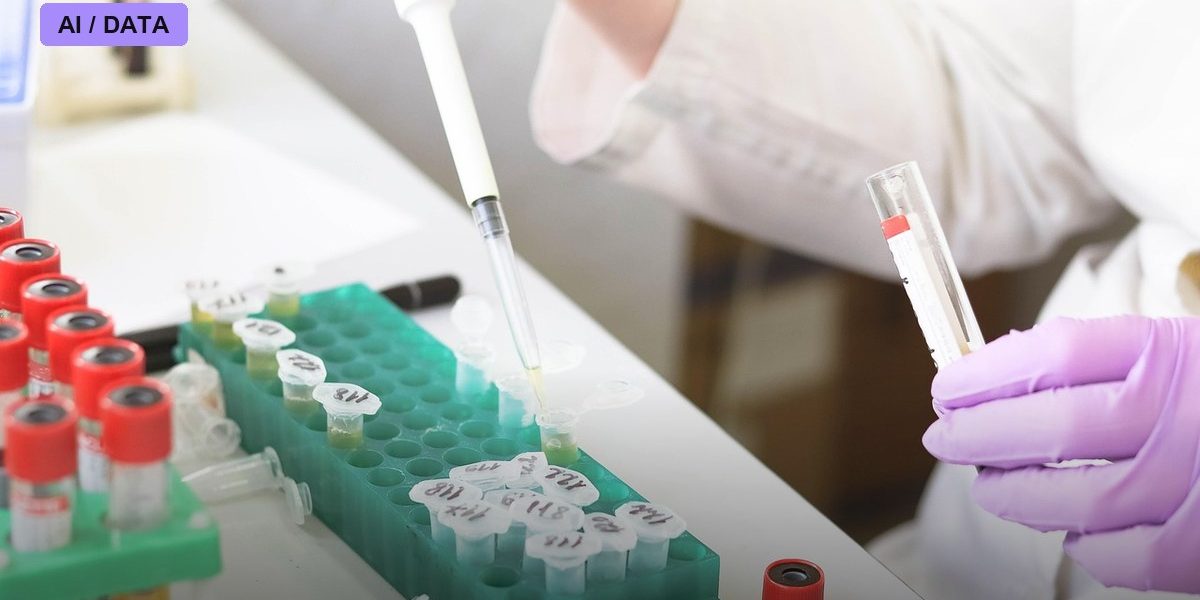
Photo: Belova59 / PIXABAY via Pixabay