175,000-Woman NHS Study Finds AI Catches More Breast Cancers and Cuts Radiologists’ Reading Time by a Third
A 175,000-woman NHS study found AI acting as a second mammogram reader caught more invasive cancers, produced fewer false positives, and cut radiologists’ scan-reading time by nearly a third, adding fuel to the health service’s push toward wider AI screening trials.
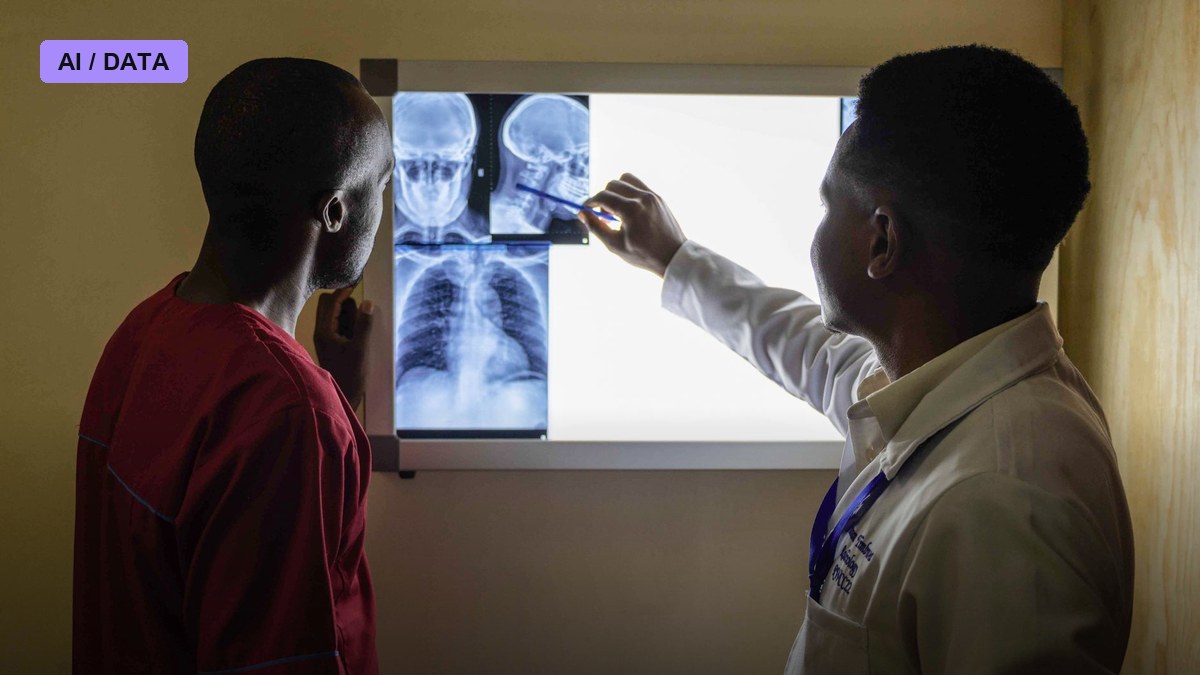
One of the largest real-world tests of AI in cancer screening to date has produced a striking set of numbers for the NHS: when AI acted as a second reader on mammograms, it caught more invasive cancers, generated fewer false alarms, and cut the total time radiologists spent reading scans by roughly a third. The research, spanning 175,000 women and published across two linked papers in Nature Cancer in March 2026, is now shaping how the health service thinks about deploying AI against a persistent radiologist shortage.
The Headline Numbers
The study’s largest component was a retrospective analysis of 125,000 women aged 50 to 70 screened between 2015 and 2016 at five NHS screening services, with a final analysis covering 115,973 scans followed for 39 months. Using AI as the second reader, checking a human radiologist’s read rather than replacing it, the cancer detection rate rose from 7.54 to 9.33 per 1,000 women screened. AI also identified more invasive cancers specifically, and detected roughly a quarter of interval cancers, the cancers that would otherwise have gone unnoticed until symptoms appeared between routine screenings. For first-time screens, AI cut recalls for further testing by 39.3% while still achieving an 8.8% higher detection rate, meaning fewer healthy women were called back for anxiety-inducing follow-up appointments, not more. Across the full dataset, reading time dropped 32.1%, from 288,616 reads down to 195,983.
Where the Study Ran
The research drew on a partnership spanning Imperial College London, Google, the universities of Cambridge and Surrey, and NHS Trusts including Cambridge University Hospitals, Imperial College Healthcare, the Royal Marsden, Royal Surrey and St George’s University Hospitals, along with the AIMS public patient-engagement group. Beyond the retrospective arm, the study included a prospective component testing the AI on current cases at two London screening services, and a separate 50,000-woman arm testing AI specifically in arbitration, the tie-breaking step used when two human readers disagree, where the AI performed comparably to human arbiters.
Why the Workforce Angle Matters
The NHS breast screening program has run for decades on a model requiring two independent radiologist reads per mammogram, a system straining under a well-documented UK radiologist shortage. Reducing reading volume by a third without sacrificing detection accuracy is, in practical terms, the difference between a screening backlog and a manageable one. Professor Deborah Cunningham, one of the study’s Imperial College investigators, framed the time savings as a workforce fix rather than a replacement, saying freed-up hours could go toward more hands-on tasks such as needle biopsy, rather than eliminating radiologist roles outright.
The Rollout Question
These retrospective and prospective results are feeding directly into the NHS’s live evaluation pipeline. Separately, the health service has begun recruiting for the EDITH trial (Early Detection using Information Technology in Health), a nearly 700,000-woman study launched from April 2025 across 30 sites specifically to test whether AI can safely let the NHS move from two human readers per mammogram down to one. Royal College of Radiologists president Dr. Katharine Halliday has said any such shift needs to happen with expert oversight to guarantee it remains safe and effective, a caveat echoed by NHS officials wary of moving too fast on a screening program that reaches millions of women annually.
Caution Alongside the Optimism
Independent commentators note that a retrospective study, even one this large, is not the same as watching an AI system operate against real-time clinical stakes for years across variable equipment, patient populations and imaging protocols. Extensive validation work remains before any national rollout, and NHS trials elsewhere have already found that AI recall rates required adjustment mid-study when they initially ran too high, a reminder that these systems need active tuning rather than a simple bolt-on installation.
What’s Next
With the retrospective data now published and the EDITH trial recruiting hundreds of thousands more participants through 2026 and beyond, the NHS is edging closer to a decision point on whether AI second-reading, or eventually AI-only first reading, becomes standard practice nationally. That decision will hinge as much on regulatory sign-off and radiologist buy-in as on the underlying statistics, but for a health system with hundreds of thousands of mammograms waiting to be read, the math is becoming hard to ignore.
Photo: Michael Obiero / PEXELS via Pexels