Rather than simply licensing its AI drug-design platform to outside biotechs, Schrodinger has started building its own companies around it. On September 9, 2026, the company announced a licensing and collaboration agreement with Tectora Therapeutics, a new biotechnology company it co-founded specifically to advance immunology and inflammation programs.
The Headline Numbers
Tectora launched with a $55 million Series A financing round from New Enterprise Associates (NEA) and RA Capital Management, the venture firms that co-founded the company alongside Schrodinger. As part of the deal, Schrodinger contributed two early-stage small-molecule programs, internally coded SDGR-4594 and SDGR-8139, in exchange for an equity stake in Tectora plus eligibility for future milestone payments and royalties. Tectora will use Schrodinger’s computational chemistry platform at scale to push both programs toward clinical candidacy.
Why It Happened
Schrodinger has spent years selling its physics-based and AI-driven molecular design software to pharmaceutical partners, but licensing revenue alone caps how much upside the company can capture from its own discoveries — if Schrodinger’s software identifies a genuinely valuable drug candidate, a traditional licensing deal only pays the company a fraction of that value. Spinning out a dedicated biotech lets Schrodinger retain equity ownership in any successful therapy that emerges from its own platform, while outsourcing the capital-intensive clinical development work to a separately funded company backed by biotech-focused venture investors who specialize in exactly that stage of the pipeline.
The Counter-Argument
Creating a company to develop your own software’s output blurs a line that has traditionally kept technology vendors and drug developers separate, and some industry watchers see risk in that arrangement: a software vendor now has a direct financial stake in defending the credibility of its own algorithm’s picks, which could complicate independent, skeptical evaluation of whether the platform’s early-stage candidates are actually as promising as advertised. Immunology and inflammation is also a crowded and difficult therapeutic area with a long track record of computationally promising candidates failing in clinical trials once real human immune variability comes into play, and a $55 million Series A is a modest sum relative to the cost of getting even one asset through Phase II.
What It Means Going Forward
Tectora is Schrodinger’s latest bet that platform-based drug discovery works well enough to justify going into the drug-ownership business itself rather than staying purely a software vendor — a structural shift several AI-native computational biology companies are testing simultaneously. If SDGR-4594 or SDGR-8139 advance into human trials over the next two years, it will offer one of the clearer real-world tests yet of whether Schrodinger’s AI-assisted molecular design translates into clinically viable therapies, not just efficient virtual screening.
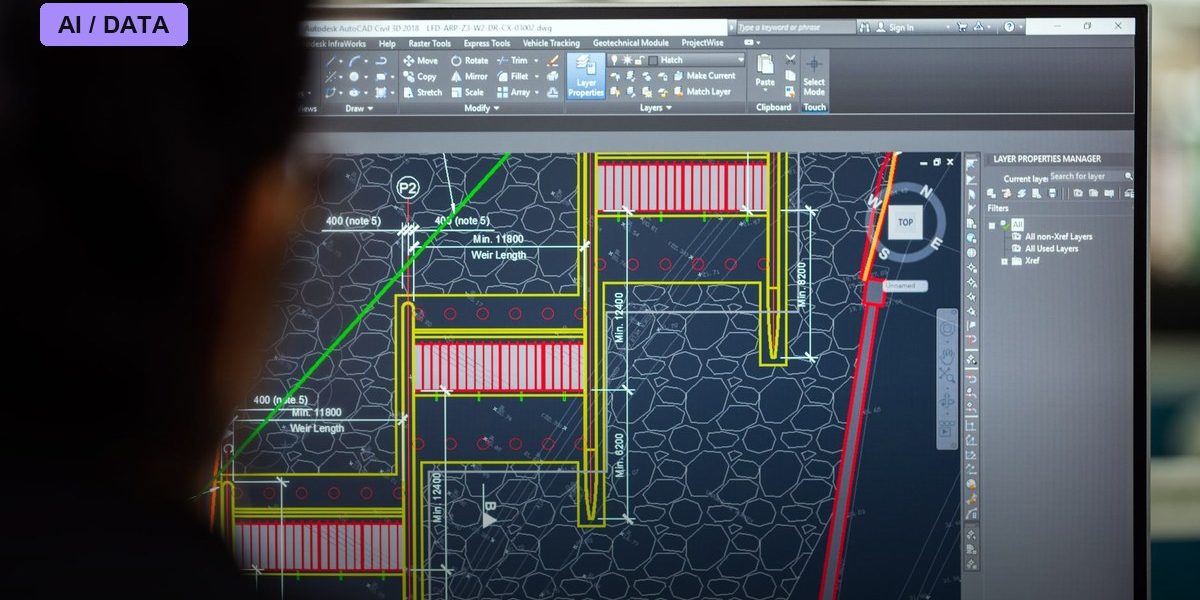
Photo: ThisIsEngineering / PEXELS via Pexels